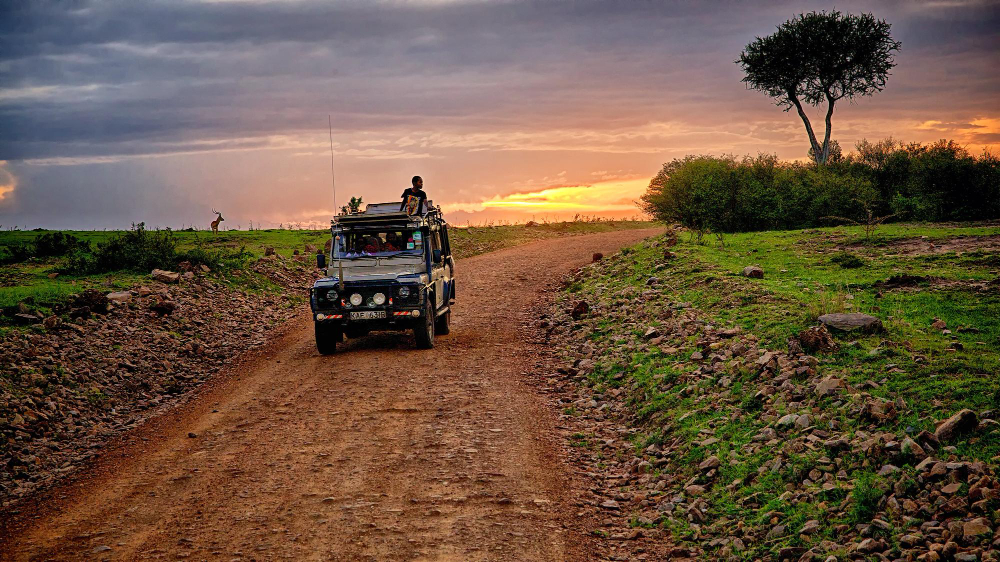
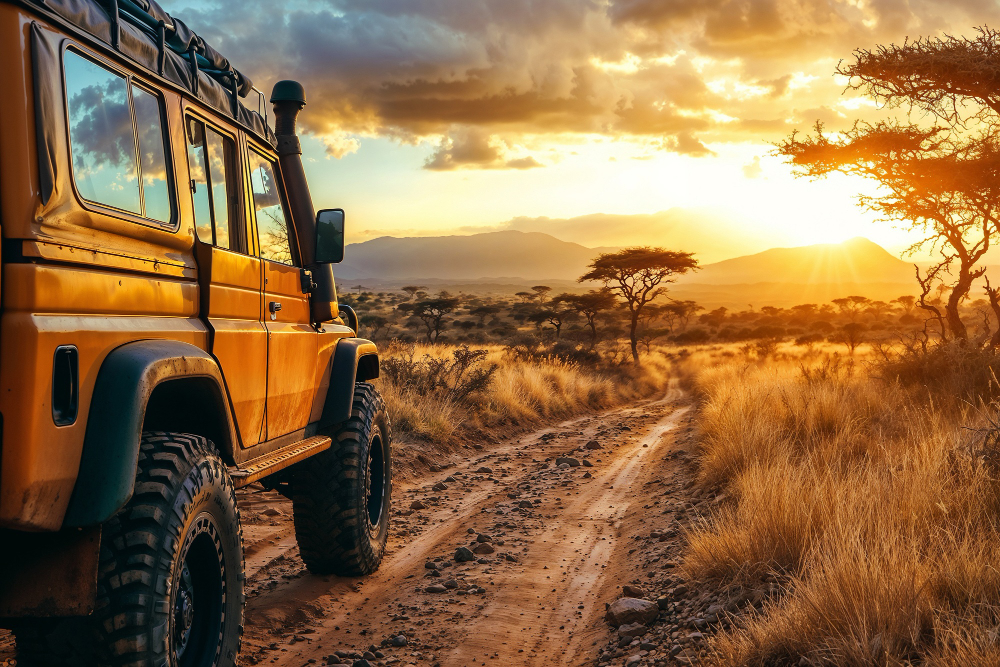
Lake Manyara National Park, nestled at the base of the Rift Valley escarpment in northern Tanzania, is a paradise for wildlife lovers, birdwatchers, and photographers. Known for its lush forests, alkaline lake, and abundant wildlife, this park may be smaller than Serengeti or Ngorongoro, but it packs incredible photographic opportunities into every corner. Whether you’re a professional photographer or an enthusiastic traveler with a camera, Lake Manyara promises breathtaking images that capture the essence of Tanzania’s wild beauty. In this guide, we’ll explore the best photography spots at Lake Manyara to help you plan your safari shots.
The shimmering alkaline lake is the park’s centerpiece and one of the most iconic photography spots at Lake Manyara. During the wet season, the shoreline stretches wide, reflecting the dramatic Rift Valley escarpment and the skies above. The lake is particularly famous for its flamingos, which often gather in the thousands, creating a pink haze along the water. Capturing flamingos in flight or reflected in the lake’s surface provides spectacular opportunities for both landscape and wildlife photography.
Beyond flamingos, the shoreline attracts pelicans, herons, storks, and other waterbirds. Early mornings and late afternoons are the best times to capture soft lighting, when the lake glows with golden hues or fiery sunsets. Photographers who carry zoom lenses will also enjoy capturing details of the diverse birdlife against the backdrop of the glittering waters.
As you enter the park from the northern gate, you’ll immediately find yourself in the groundwater forest, a lush green oasis fed by underground springs. Towering fig trees, mahoganies, and acacias dominate this landscape, making it one of the most unique photography spots at Lake Manyara. Here, the challenge is not wide-open landscapes but the intimate shots of wildlife moving through dense vegetation.
The groundwater forest is home to troops of baboons and blue monkeys, often seen in large numbers near the entrance. These primates provide endless opportunities for close-up photography, from playful behaviors to tender moments between mothers and infants. The dappled light filtering through the forest canopy creates dramatic compositions that highlight the textures and colors of both wildlife and vegetation.
Few places in Tanzania offer views as dramatic as the Rift Valley escarpment towering over Lake Manyara. Several viewpoints along the park roads provide panoramic shots of the crater-like escarpment walls dropping sharply into the valley below. From these vantage points, photographers can capture sweeping landscapes of the alkaline lake stretching out under the dramatic cliffs.
At sunset, the escarpment glows in shades of orange and gold, offering one of the most stunning backdrops for landscape photography. These viewpoints also allow wide-angle shots that combine the lake, the sky, and the wildlife that often grazes on the open plains near the escarpment’s base.
On the eastern edge of the park lies the Maji Moto hot springs, a fascinating spot where geothermal activity creates bubbling pools and steaming vents. Though less known than other attractions, this area is one of the most unique photography spots at Lake Manyara. The combination of mineral deposits, steam rising against the lake backdrop, and birdlife makes it ideal for creative compositions.
In this area, photographers can experiment with contrasts—the stark colors of mineral-rich soil against the blue lake waters or the rising steam captured in golden evening light. Flamingos and other waterbirds frequent this zone, giving wildlife photographers a chance to combine dramatic landscapes with close wildlife action.
Lake Manyara National Park transitions from lush forests to open grasslands and acacia woodlands as you move southward. This habitat diversity is excellent for capturing large mammals such as elephants, giraffes, zebras, and buffaloes. Elephants are particularly photogenic here, as they often move in herds across the plains with the escarpment forming a striking background.
Acacia trees dot the landscape, providing a perfect frame for giraffes feeding on high branches or for capturing the silhouettes of wildlife against sunsets. Patience pays off in this area, as predators such as lions and leopards may also appear. Manyara is famous for its tree-climbing lions, a rare behavior that photographers dream of capturing. Spotting a lion sprawled lazily on the branch of an acacia tree is one of the park’s greatest photographic rewards.
Another highlight among the photography spots at Lake Manyara is the hippo pools, where these massive animals spend their days submerged. Unlike many other parks, the hippo pools here offer close but safe viewing opportunities. Capturing a pod of hippos with their eyes and ears peeking above the waterline makes for iconic safari photos.
The wetlands surrounding the hippo pools are also rich in birdlife. Storks, ibises, and spoonbills often forage in the shallow waters, allowing close-up shots of their foraging behaviors. Early mornings are especially rewarding, as mist over the water creates atmospheric images.
Lake Manyara is one of Tanzania’s top birding destinations, with over 400 recorded species. For photographers, this makes the park a treasure trove of opportunities. From giant flocks of flamingos and pelicans to the vibrantly colored lilac-breasted roller, every turn offers a new subject.
Birdwatching hotspots include the shoreline, the groundwater forest, and the acacia woodlands. Patience and a telephoto lens are essential for capturing detailed shots. Manyara’s birdlife is particularly active in the mornings, and pairing bird subjects with the park’s landscapes can yield award-worthy compositions.
1. What is the best time to photograph Lake Manyara National Park?
The dry season (June–October) offers clear skies and concentrated wildlife near water sources, while the wet season (November–May) provides lush landscapes and bird migration. Both seasons are rewarding for different photographic styles.
2. Do I need special equipment for photographing at Lake Manyara?
A telephoto lens (200–400mm) is ideal for wildlife, while wide-angle lenses capture landscapes. Tripods are useful but not always practical in safari vehicles, so fast lenses are highly recommended.
3. Can I photograph tree-climbing lions in Lake Manyara?
Yes, Lake Manyara is famous for its rare population of tree-climbing lions. While sightings are not guaranteed, patient visitors often capture these iconic images in the acacia woodlands.
4. Are there restrictions on photography inside the park?
Photography is generally unrestricted, but drones are not allowed without special permits. Always respect wildlife distance and follow your guide’s instructions to ensure safety.
5. Is Lake Manyara good for beginner photographers?
Absolutely. Its compact size, variety of habitats, and high concentration of wildlife make it one of the easiest parks to capture stunning safari photos, even for beginners.