Zanzibar

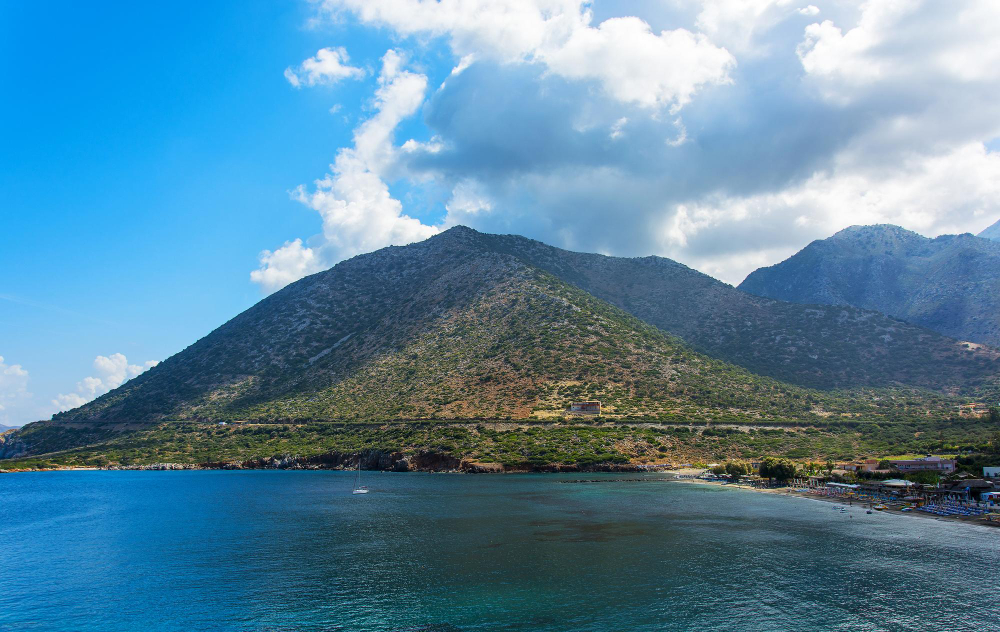
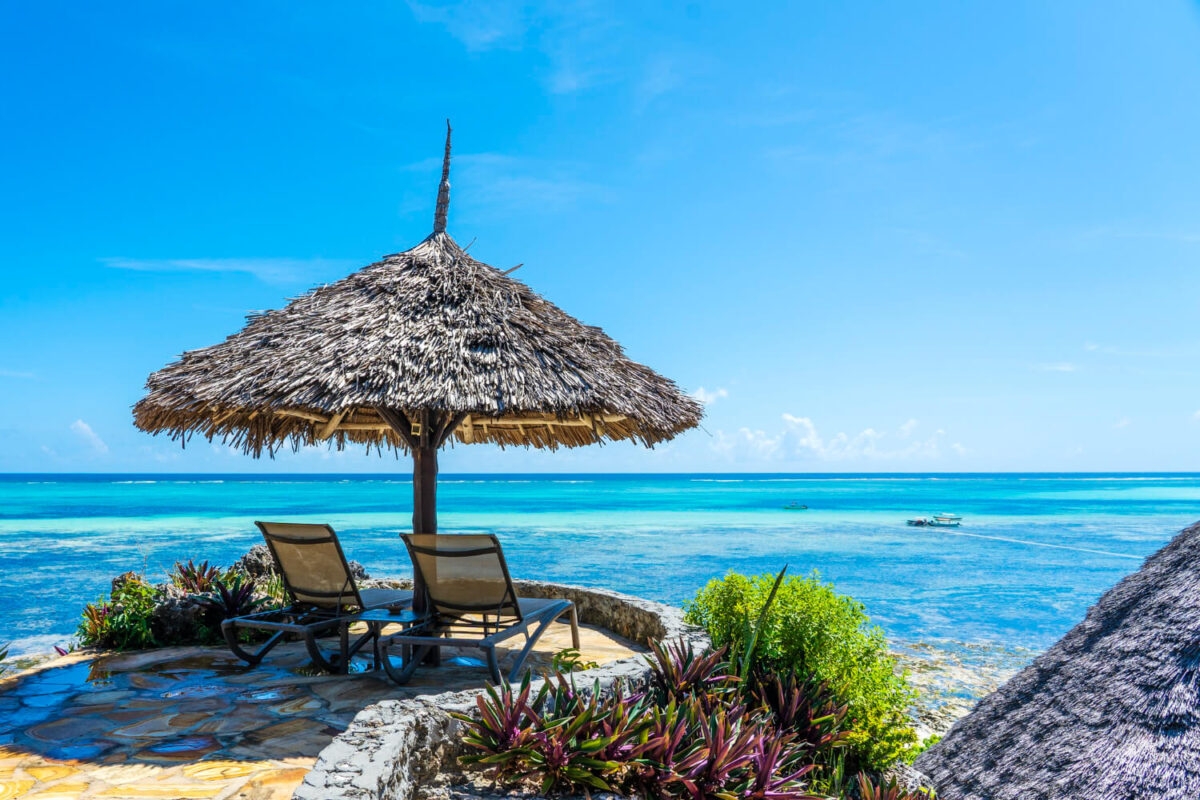
Zanzibar is more than a beach holiday—it’s a captivating fusion of cultures, history, and natural beauty. Its spice-scented air, turquoise waters, and rich heritage make it a must-visit Indian Ocean paradise.

Key Highlights

The historic Stone Town, a UNESCO World Heritage Site.
Pristine white-sand beaches and vibrant coral reefs.
The iconic Spice Tours, exploring the islands’ agricultural heart.
A unique blend of Swahili, Arab, Persian, Indian, and European influences.

Wildlife & Marine Life in Zanzibar

While terrestrial wildlife is limited, the surrounding sea is spectacularly rich.
Red Colobus Monkeys: Found only in Zanzibar’s Jozani Forest.
Dolphins: Frequently spotted, especially around Kizimkazi.
Sea Turtles: Several conservation sites protect nesting grounds.
Coral Reefs: Home to hundreds of species of tropical fish, sea turtles, and more.

The Spice Tour

Often called the “Spice Island,” this experience is a cornerstone of a Zanzibar visit.
See, smell, and taste cloves, vanilla, cinnamon, nutmeg, and black pepper.
Learn the history of the spice trade that once made Zanzibar famous.
Visit working plantations and see how spices grow in their natural form.

Top Attractions in Zanzibar

  1. Stone Town
    A labyrinth of narrow alleys, bustling bazaars, and historic sites like the House of Wonders and Sultan’s Palace.
  2. Jozani Chwaka Bay National Park
    The largest area of mature forest in Zanzibar, famous for its rare Red Colobus Monkeys.
  3. Prison Island
    Just off Stone Town, known for its giant Aldabra tortoises and clear snorkeling waters.
  4. Kendwa & Nungwi Beaches
    Famous for their powder-soft sand, stunning sunsets, and crystal-clear water in the north.
  5. The Rock Restaurant
    An iconic dining experience set on a rock in the ocean, accessible by foot or boat at low or high tide.

Activities for Visitors

Dhow Cruises: Sail on a traditional wooden boat, often at sunset or for snorkeling trips.


Snorkeling & Diving: Explore magnificent coral gardens and diverse marine life.


Spice Farm Tours: Engage all your senses on a guided tour of a working spice farm.


Stone Town Walking Tours: Discover the architecture, history, and hidden gems of the old city.


Visit a Sea Turtle Sanctuary: Learn about conservation efforts at places like Mnarani.

Best Time to Visit Zanzibar

Zanzibar is a year-round destination, but the experience depends on the season:
Dry Season (June–October & December–February): Best for beach time, diving, and exploration with less humidity.
Wet Season (March–May & November): Lush greenery, fewer tourists, but with higher chance of rain.

How to Get To Zanzibar?

By Air: Direct international flights to Abeid Amani Karume International Airport (ZNZ) or short domestic flights from Dar es Salaam, Arusha, or the Serengeti.
By Ferry: Regular ferries connect Dar es Salaam and Stone Town.

Accommodation Options

Zanzibar caters to every type of traveler:
Luxury Boutique Hotels & Resorts: High-end beachfront properties and restored mansions in Stone Town.
Mid-Range Hotels & Bungalows: Comfortable accommodations, often with beach access.
Budget Guesthouses: Affordable stays, particularly in and around Stone Town.
Private Villa Rentals: Ideal for families or groups seeking seclusion.

Travel Tips

Dress modestly when walking in Stone Town and local villages.
Carry small bills (USD or Tanzanian Shillings) for markets and small vendors.
Book activities and popular restaurants in advance during peak season.
Combine Zanzibar with a mainland Tanzania safari for the ultimate trip.

FAQs About Zanzibar

  1. Is Zanzibar safe for tourists?
    Yes. It is generally very safe, though standard precautions against petty theft are advised.
  2. How many days should I spend in Zanzibar?
    At least 3–4 days to enjoy the beaches and explore Stone Town and a spice tour.
  3. What is the local culture like?
    The culture is predominantly Muslim and conservative. Respect local customs and dress codes outside beach resorts.
  4. What makes Zanzibar different from other Indian Ocean islands?
    Its incredibly rich history, the unique fusion of cultures in Stone Town, and the famous spice farms set it apart.

Zanzibar is not just a beach destination—it’s a sensory journey. From the call to prayer echoing over ancient rooftops and the aroma of exotic spices to the feel of pristine sand and the taste of freshly caught seafood, every moment is vibrant.

For travelers seeking a perfect blend of culture, history, and tropical relaxation, Zanzibar offers an unforgettable escape.
Mikumi National Park

Mikumi National Park, located in southern Tanzania, is one of the country’s most accessible and scenic wildlife destinations. As part of the greater Selous ecosystem, Mikumi shares borders with the Nyerere National Park (formerly Selous Game Reserve), making it a haven for wildlife. Its proximity to Dar es Salaam, just a 4–5-hour drive away, makes it a favorite for both international visitors and locals seeking a quick safari experience.


Location and Accessibility

Situated along the A7 highway between Dar es Salaam and Iringa, Mikumi is one of the easiest parks to reach in Tanzania. The road passes directly through the park, providing glimpses of wildlife even before entering. For those short on time, daily charter flights connect Dar es Salaam and Zanzibar with the park’s airstrip, ensuring a hassle-free safari experience.


Wildlife in Mikumi National Park

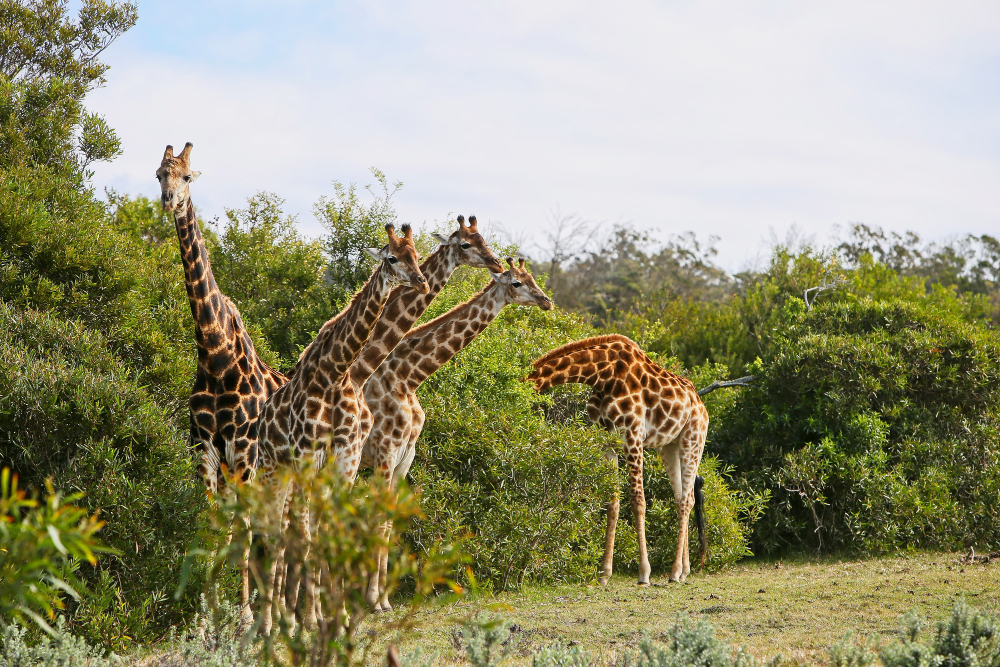
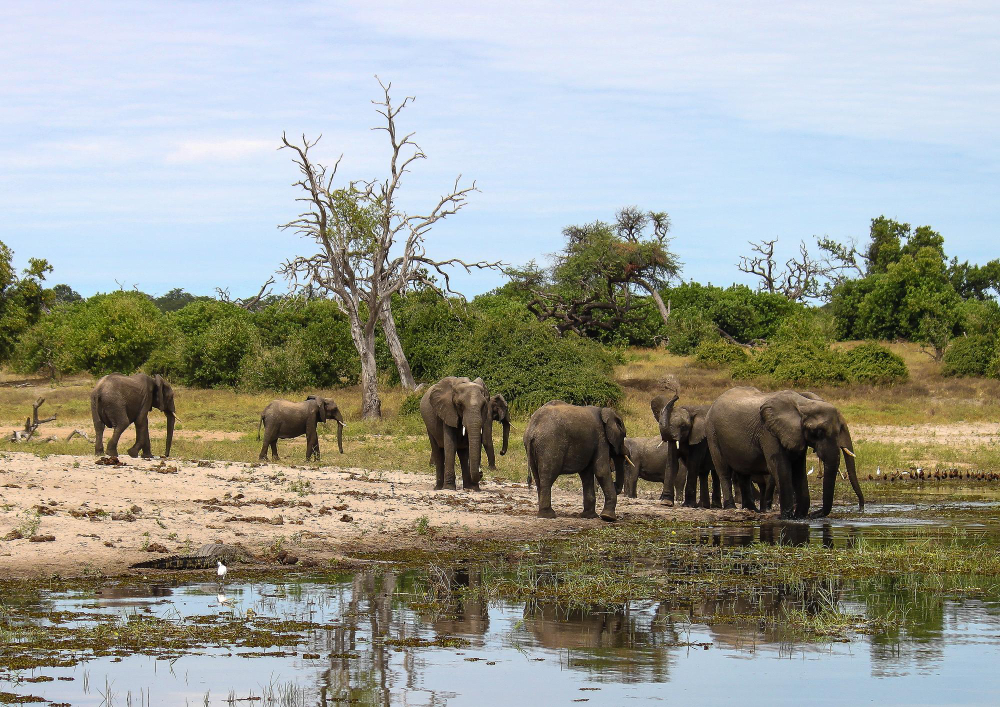
Mikumi is often described as a smaller version of the Serengeti due to its vast Mkata Floodplain, where wildlife roams freely. The park is home to a wide variety of animals, including elephants, buffalos, zebras, giraffes, wildebeests, and lions. Leopards and wild dogs are occasionally spotted, adding to the thrill of game drives. Bird enthusiasts will also find Mikumi rewarding, with over 400 recorded bird species such as hornbills, marabou storks, and lilac-breasted rollers.


The Mkata Floodplain Experience

The highlight of Mikumi is undoubtedly the Mkata Floodplain, an expansive grassland teeming with wildlife. Here, herds of elephants and buffalo can be seen grazing, while giraffes stretch their necks to reach acacia leaves. Predators like lions often stalk the plains, providing visitors with classic African safari moments. The open landscape makes wildlife viewing particularly rewarding, offering excellent photography opportunities.


Safari Activities in Mikumi

Game drives are the most popular activity in Mikumi, with options for morning, afternoon, and full-day safaris. Morning drives allow visitors to witness predators returning from their nightly hunts, while afternoon drives showcase the park’s beautiful sunsets. Night drives, offered by some lodges, reveal nocturnal creatures such as civets, genets, and hyenas. Guided walking safaris are also available, providing a closer connection to the park’s flora and fauna.


Accommodation Options

Mikumi offers a range of accommodations to suit different budgets. Inside the park, you can find mid-range lodges and tented camps offering comfortable stays with stunning views of the surrounding wilderness. Budget travelers can opt for basic campsites located just outside the park. Luxury safari lodges are also available for those seeking a more exclusive experience, with personalized services and gourmet dining.


Best Time to Visit Mikumi National Park

Mikumi can be visited year-round, but the best time for game viewing is during the dry season, from June to October. During this period, animals gather around waterholes, making them easier to spot. The wet season, from November to May, transforms the landscape into lush greenery and attracts migratory birds, making it ideal for birdwatching enthusiasts.


Conservation and Community Involvement

As part of Tanzania’s protected areas, Mikumi plays an important role in conserving wildlife and habitats. The park is also closely linked with surrounding communities that benefit from eco-tourism initiatives. Many lodges employ local staff and source produce from nearby villages, ensuring that tourism contributes positively to the region’s economy and development.


Why Choose Mikumi National Park?

Mikumi National Park offers a perfect balance of accessibility, affordability, and rewarding wildlife encounters. Whether you are on a short trip from Dar es Salaam or looking to combine your safari with a visit to Ruaha or Nyerere National Park, Mikumi provides an authentic safari experience without the crowds found in northern parks. Its diverse ecosystems, abundant wildlife, and welcoming atmosphere make it a must-visit destination in Tanzania.

Ruaha National Park

Ruaha National Park is Tanzania’s largest national park, covering over 20,000 square kilometers. Located in the heart of the country, it offers one of Africa’s most untouched wilderness experiences. Known for its dramatic landscapes, massive elephant herds, and diverse wildlife, Ruaha is a true gem for safari enthusiasts seeking an off-the-beaten-path adventure.


Location and Accessibility

Ruaha lies in central Tanzania, west of Iringa town. Despite its remote setting, the park is accessible by road and air. The drive from Dar es Salaam takes about 10–12 hours, making it ideal for extended safaris. For convenience, several airlines operate scheduled flights from Dar es Salaam, Arusha, and Zanzibar directly to the park’s airstrip.


Wildlife in Ruaha National Park

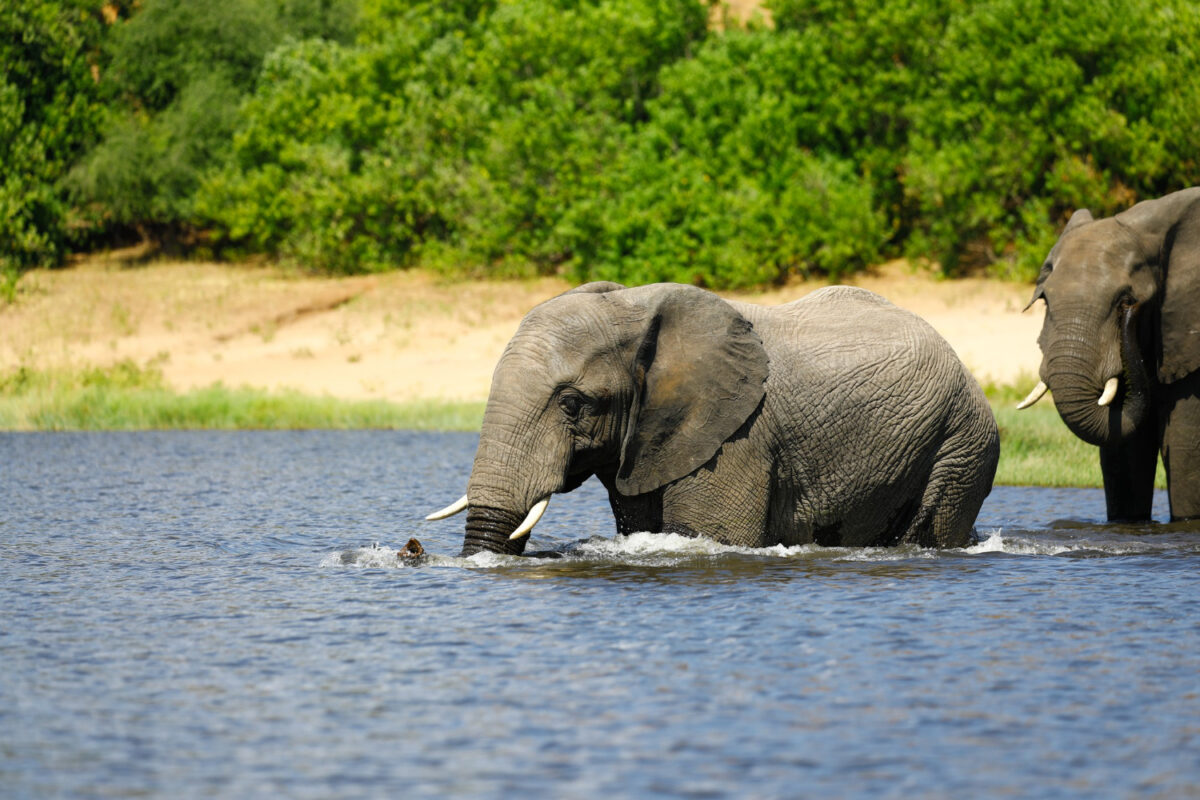
Ruaha is home to an astonishing variety of wildlife, thanks to its mix of savannah, woodland, and river ecosystems. The park boasts over 10,000 elephants, one of the largest populations in East Africa. Visitors can also spot lions, leopards, cheetahs, and the endangered African wild dogs. Antelope species are abundant, including greater and lesser kudu, sable, and roan antelopes. Bird lovers will find more than 570 species, ranging from colorful bee-eaters to majestic fish eagles.


The Great Ruaha River

The lifeline of the park is the Great Ruaha River, which attracts animals year-round. During the dry season, the river becomes a critical water source, drawing huge concentrations of wildlife to its banks. Visitors can witness thrilling predator-prey interactions as lions, crocodiles, and leopards wait for thirsty herbivores. The river also offers stunning scenery, with rocky outcrops and baobab trees lining its shores.


Safari Activities in Ruaha

Game drives are the most popular activity in Ruaha, with both day and night safaris available. The vast landscapes and low tourist numbers provide an exclusive and unspoiled safari experience. Walking safaris are a unique highlight, allowing guests to explore the bush on foot with armed guides. This immersive activity offers close encounters with wildlife and insights into the park’s plants, insects, and tracks.


Accommodation Options

Ruaha offers a range of accommodation choices to match different travel styles. Luxury tented camps provide spacious suites, fine dining, and stunning views of the Great Ruaha River. Mid-range lodges offer comfort with traditional safari charm, while budget campsites cater to adventurous travelers. Most lodges are eco-friendly, blending sustainability with authentic safari hospitality.


Best Time to Visit Ruaha National Park

The best time to visit Ruaha depends on your safari preferences. The dry season, from June to October, is ideal for game viewing, as animals congregate around the river and waterholes. The wet season, from November to May, transforms the park into a green paradise, with abundant birdlife and newborn animals. While wildlife can be harder to spot during this period, the scenery is at its most beautiful.


Conservation and Community Involvement

Ruaha is part of the greater Rungwa-Kizigo-Muhesi ecosystem, making it a crucial conservation area in Tanzania. Park authorities, conservation organizations, and local communities work together to protect wildlife and habitats. Community-based tourism projects provide education, healthcare, and employment opportunities, ensuring that tourism benefits both people and nature.


Why Choose Ruaha National Park?

Ruaha National Park offers an authentic safari far from the crowds of northern Tanzania. With its incredible biodiversity, vast landscapes, and commitment to conservation, it is the perfect destination for travelers seeking a wild and immersive safari. Whether watching elephants along the Great Ruaha River, tracking predators on a game drive, or experiencing the bush on foot, Ruaha delivers unforgettable moments in one of Africa’s last great wildernesses.

Lake Manyara

Lake Manyara National Park is one of Tanzania’s most diverse and scenic safari destinations. Nestled at the base of the Great Rift Valley escarpment, the park is known for its lush forests, soda lake, and famous tree-climbing lions. Despite being smaller compared to Serengeti or Ngorongoro, Lake Manyara offers an incredibly rich safari experience with varied landscapes and abundant wildlife.


Location and Accessibility

The park is located in northern Tanzania, just a 2-hour drive from Arusha. Its convenient location makes it a popular stop for travelers en route to Serengeti or Ngorongoro Crater. Visitors can access the park by road via the well-maintained Arusha–Dodoma highway or by air through Manyara Airstrip, which connects with major safari hubs like Arusha and Zanzibar.


Wildlife in Lake Manyara National Park

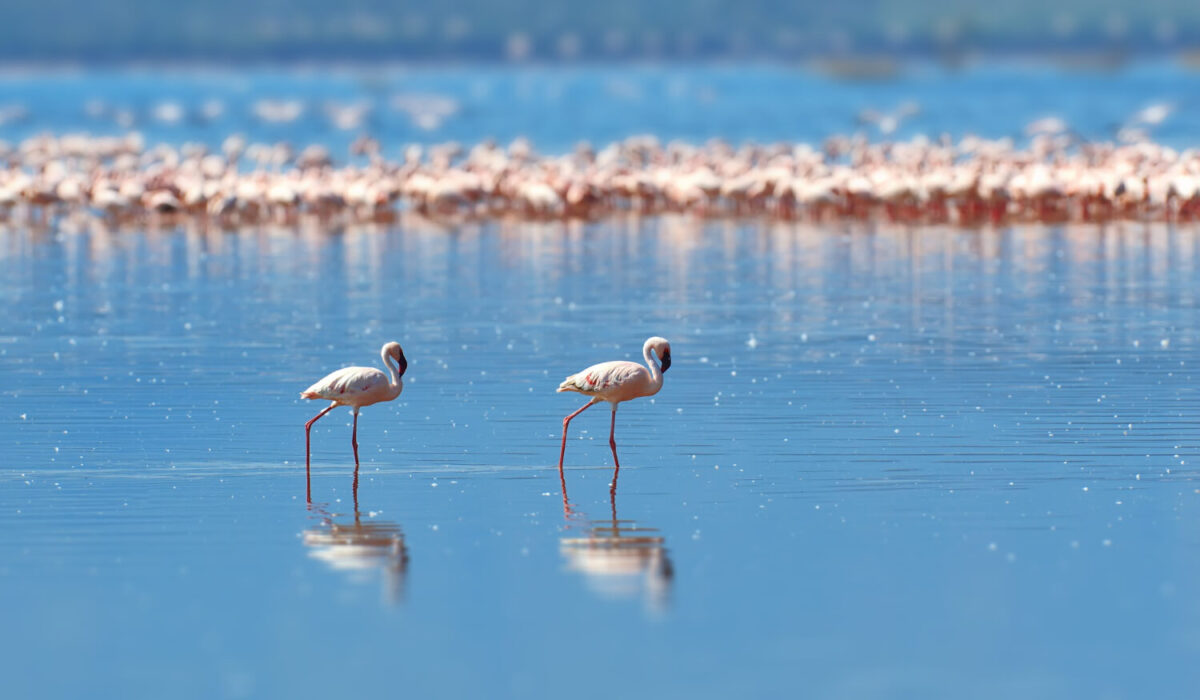
Lake Manyara is home to a wide variety of animals, despite its compact size. The park is famous for its unique population of tree-climbing lions, often spotted lounging on acacia branches. Other commonly seen species include elephants, giraffes, zebras, hippos, and buffalos. The alkaline soda lake attracts thousands of flamingos, creating a spectacular pink-hued shoreline. Bird enthusiasts will also be delighted, with over 400 bird species recorded in the park.


The Beauty of the Great Rift Valley Escarpment

One of Lake Manyara’s defining features is its dramatic setting. The park stretches between the towering cliffs of the Great Rift Valley escarpment and the shimmering soda lake. This unique landscape creates a variety of ecosystems, from groundwater forests to open savannahs and swamps. The contrast of habitats makes Lake Manyara one of Tanzania’s most picturesque parks and an excellent destination for photographers.


Safari Activities in Lake Manyara

Game drives are the main activity in Lake Manyara, with options for half-day or full-day safaris. Morning drives provide excellent chances to see predators, while afternoon drives capture the golden glow of the setting sun. Canoeing safaris on the lake are available during the wet season, offering a different perspective of hippos, flamingos, and aquatic birds. Walking safaris and cultural tours to nearby villages add depth to the experience, connecting visitors with both nature and local communities.


Accommodation Options

Visitors to Lake Manyara can choose from a wide range of accommodation. Luxury lodges perched on the Rift Valley escarpment offer stunning panoramic views, while tented camps inside the park provide an immersive wilderness feel. Budget travelers will find affordable campsites and guesthouses just outside the park in Mto wa Mbu village, a bustling cultural hub with local markets and traditional food.


Best Time to Visit Lake Manyara

Lake Manyara National Park can be visited year-round, but the best time depends on your interests. From June to October, the dry season makes wildlife easier to spot as animals gather around water sources. The wet season, from November to May, transforms the park into a lush green paradise, attracting migratory birds and showcasing the lake at its fullest. Photographers often prefer the wet months for the dramatic scenery and vibrant birdlife.


Conservation and Community Involvement

Lake Manyara plays an important role in Tanzania’s conservation efforts, protecting vital ecosystems and wildlife species. The park works closely with surrounding communities, particularly in Mto wa Mbu, to promote sustainable tourism. Community-based tourism projects allow visitors to experience local culture while ensuring that tourism supports livelihoods and conservation goals.


Why Choose Lake Manyara National Park?

The National Park offers a unique safari experience that combines dramatic landscapes, abundant wildlife, and cultural encounters. Its compact size makes it easy to explore in a day or two, yet the diversity of habitats ensures every visit feels rewarding. From spotting the iconic tree-climbing lions to admiring thousands of flamingos, Lake Manyara delivers unforgettable moments for safari lovers.

The Exqusite Views & Sights of Arusha City

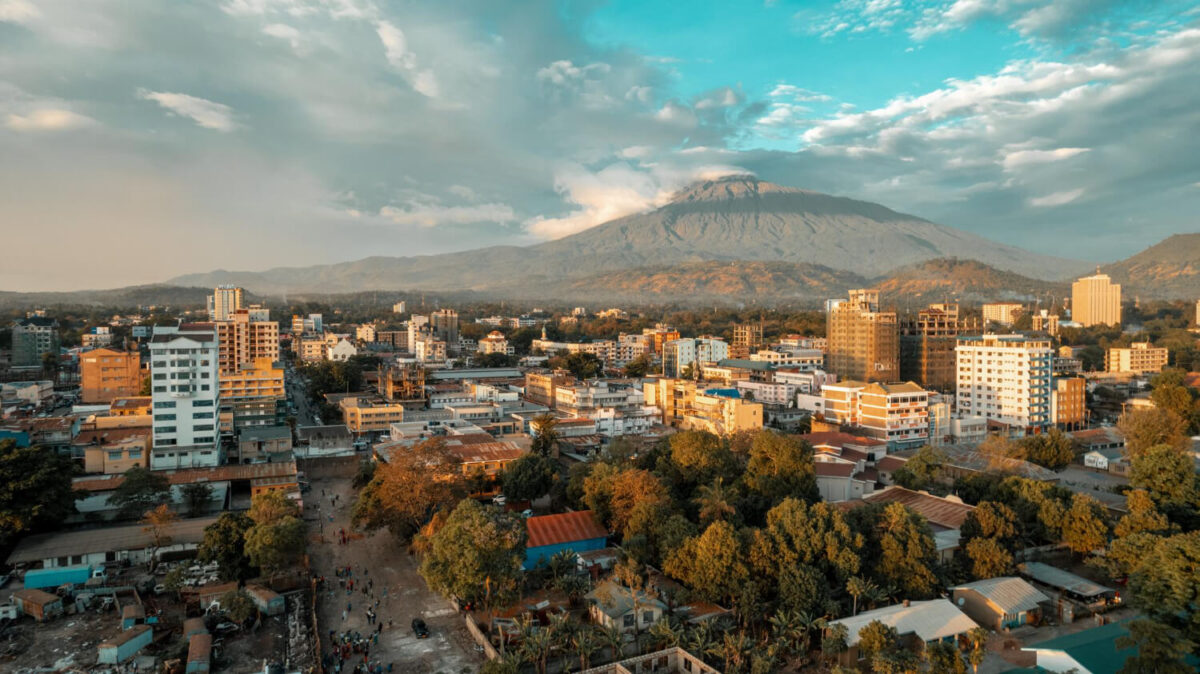
Nestled at the foot of Mount Meru and acting as the gateway to Tanzania’s northern safari circuit, Arusha City is a vibrant blend of natural beauty, cultural heritage, and bustling urban life. Known as the “safari capital of Tanzania,” Arusha enchants visitors with stunning mountain views, lively markets, historic landmarks, and its proximity to some of Africa’s most iconic national parks.

From the snowcapped peaks of Mount Kilimanjaro in the distance to the rolling coffee plantations and the warm smiles of its people, Arusha offers a perfect mix of scenery and cultural experiences that make it more than just a safari stopover.


Why Visit Arusha City?

Arusha is more than a transit hub—it’s a destination worth exploring in its own right. Its stunning landscapes, cultural richness, and lively city atmosphere make it a must-visit for travelers in northern Tanzania.

Key Highlights

  • Breathtaking views of Mount Meru and Kilimanjaro.
  • Bustling local markets and artisan shops.
  • Cultural encounters with the Maasai and other communities.
  • Historical and natural attractions within and around the city.

Iconic Views & Landscapes Around Arusha

1. Mount Meru

Towering above the city at 4,566 meters, Mount Meru is Tanzania’s second-highest peak. Visible from nearly every corner of Arusha, it provides a dramatic backdrop for photos and hiking adventures.

2. Distant Glimpses of Kilimanjaro

On clear days, the snowcapped summit of Mount Kilimanjaro can be seen from Arusha, offering one of the most iconic sights in Africa.

3. Coffee Plantations & Rolling Hills

Surrounding the city are lush coffee plantations and scenic farmland, where travelers can enjoy guided tours while soaking in panoramic views.

4. Arusha National Park

Just a short drive away, this park boasts diverse landscapes including craters, lakes, and montane forests, all with a backdrop of Mount Meru.


Top Attractions in Arusha

Arusha Clock Tower

Considered the symbolic midpoint between Cape Town and Cairo, the clock tower is one of the city’s most recognized landmarks.

Central Market (Soko Kuu)

A bustling hub of local life where visitors can shop for spices, fresh produce, colorful fabrics, and handcrafted souvenirs.

Cultural Heritage Centre

A gallery and shopping complex showcasing Tanzanian art, crafts, and jewelry. It’s also home to an impressive collection of African sculptures.

Maasai Market

Perfect for picking up traditional beadwork, carvings, and textiles while interacting directly with Maasai artisans.

Arusha Declaration Museum

This museum explores Tanzania’s history and the country’s path toward independence.


Activities for Visitors in Arusha

  • City Tours: Guided walks and drives to explore local markets, monuments, and cultural sites.
  • Coffee Tours: Visit coffee farms on the city’s outskirts and learn about Tanzania’s rich coffee-making traditions.
  • Cultural Encounters: Engage with Maasai communities and experience traditional dances, food, and storytelling.
  • Day Trips: Use Arusha as a base for visiting nearby attractions like Tarangire National Park, Lake Manyara, and the Ngorongoro Conservation Area.

Best Time to Visit Arusha City

Arusha enjoys a mild climate year-round thanks to its high elevation.

  • Dry Season (June–October): Clear skies, great mountain views, and best for safaris.
  • Wet Season (November–May): Lush green landscapes and fewer crowds, though heavy rains can affect travel.

How to Get to Arusha City

  • By Air: Kilimanjaro International Airport (JRO) is the main gateway, located about 45 minutes from Arusha. Domestic flights also land at Arusha Airport.
  • By Road: Well-connected by bus and private transfers from major Tanzanian cities like Dar es Salaam, Moshi, and Dodoma.

Accommodation Options

Arusha offers something for every type of traveler:

  • Luxury Lodges & Resorts: Upscale stays with stunning views of Mount Meru.
  • Mid-Range Hotels: Comfortable city hotels with modern amenities.
  • Budget Guesthouses & Hostels: Affordable stays for backpackers and budget travelers.
  • Eco-Lodges: Surrounded by nature, perfect for travelers seeking sustainability and serenity.

Travel Tips

  • Dress modestly while in the city, especially when visiting markets or cultural sites.
  • Hire a local guide for the best experience and deeper cultural insights.
  • Keep some cash handy for markets where cards are not accepted.
  • Allow at least 2–3 days in Arusha before or after a safari to fully enjoy the city.

FAQs About Arusha City

1. Is Arusha safe for tourists?
Yes, Arusha is generally safe, though like any city, it’s best to stay aware in crowded areas and markets.

2. How many days should I spend in Arusha?
At least 2–3 days are recommended to explore the city’s main attractions and enjoy day trips.

3. Can I see Mount Kilimanjaro from Arusha?
Yes, on clear days you can spot Kilimanjaro’s snowcapped peak from various points in the city.

4. What’s the best way to get around Arusha?
Taxis, private drivers, and guided tours are the most convenient options. Local minibuses (dala-dalas) are available but can be crowded.

5. What makes Arusha special compared to other Tanzanian cities?
Its unique mix of culture, history, and stunning views, combined with its role as the gateway to Tanzania’s most famous safari parks.


Arusha City is far more than just a safari stopover—it’s a vibrant destination filled with natural beauty, rich culture, and breathtaking views. Whether admiring Mount Meru, exploring bustling markets, or relaxing on a coffee plantation, Arusha offers an unforgettable Tanzanian experience.

For travelers seeking a balance of adventure, culture, and relaxation, Arusha stands as the perfect introduction to northern Tanzania’s wonders.

Ngorongoro, Tanzania

Located in northern Tanzania, the Ngorongoro Conservation Area is one of Africa’s most breathtaking safari destinations. Famous for the Ngorongoro Crater, the world’s largest unbroken volcanic caldera, this UNESCO World Heritage Site combines spectacular landscapes, abundant wildlife, and rich cultural heritage.

Often described as the “Eighth Wonder of the World,” Ngorongoro offers travelers the chance to witness the Big Five, interact with the Maasai people, and explore diverse ecosystems—all within one extraordinary location.


Why Visit Ngorongoro Tanzania?

Ngorongoro stands out because it is both a natural sanctuary and a cultural landscape. Unlike national parks, it is a conservation area where wildlife and humans coexist.

Key Highlights

  • Home to the Ngorongoro Crater, a natural wonder filled with wildlife.
  • A chance to see the Big Five in a single game drive.
  • Maasai villages that preserve centuries-old traditions.
  • Proximity to other top attractions like Serengeti and Lake Manyara.

The Ngorongoro Crater

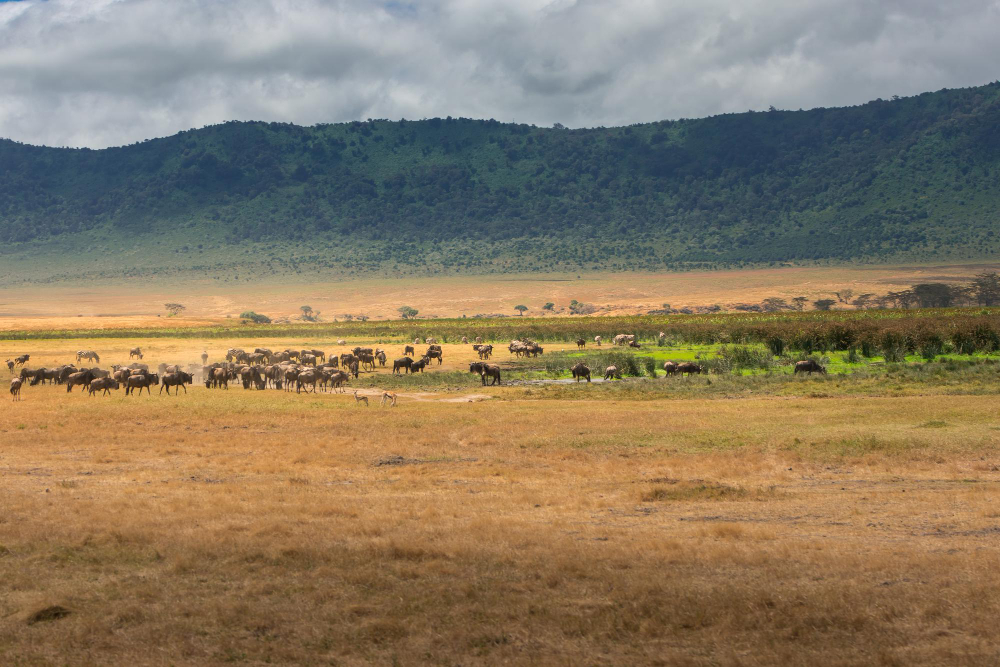
The jewel of the conservation area, the crater covers 260 square kilometers and plunges 600 meters deep. It acts as a natural enclosure for thousands of animals, making it one of the densest wildlife viewing areas in the world.

  • Wildlife: Lions, elephants, buffalo, zebras, wildebeest, and hippos thrive here.
  • Rare Species: Black rhinos and cheetahs are among the most sought-after sightings.
  • Birdlife: Over 500 species, including flamingos at Lake Magadi inside the crater.

Beyond the Crater: Other Attractions

1. Olduvai Gorge

Often called the “Cradle of Mankind,” this archaeological site has produced fossils dating back nearly two million years, offering insights into human evolution.

2. Empakaai Crater

A smaller crater known for its alkaline lake, flocks of flamingos, and scenic hiking trails.

3. Olmoti Crater

Accessible via guided walks, Olmoti offers lush highlands and the Munge Waterfall.

4. Ndutu Plains

Located between Ngorongoro and Serengeti, these plains are famous for wildebeest calving season during the Great Migration.


Activities in Ngorongoro

  • Game Drives: Explore the crater floor and surrounding areas for diverse wildlife.
  • Cultural Visits: Experience Maasai traditions and learn about their way of life.
  • Hiking & Walking Safaris: Trek in the highlands of Empakaai and Olmoti.
  • Photography: Capture sweeping landscapes, wildlife, and cultural encounters.

Best Time to Visit Ngorongoro

The conservation area is a year-round destination, but experiences vary:

  • Dry Season (June–October): Ideal for game viewing with thinner vegetation.
  • Wet Season (November–May): Lush green landscapes, fewer crowds, and excellent birdwatching.
  • January–February: Best for seeing wildebeest calving in the nearby Ndutu Plains.

How to Get to Ngorongoro Tanzania

  • By Air: Daily flights from Arusha, Serengeti, and Kilimanjaro to nearby airstrips.
  • By Road: A scenic 3–4 hour drive from Arusha, often included in the northern safari circuit.

Accommodation Options

Ngorongoro offers a wide range of accommodation to suit every budget:

  • Luxury Lodges: Crater rim lodges with panoramic views and high-end amenities.
  • Mid-Range Camps: Tented camps offering comfort close to the crater.
  • Budget Options: Basic campsites for adventurous travelers.

Travel Tips

  • Arrive early for crater game drives, as vehicle numbers are limited each day.
  • Bring warm clothing for chilly mornings at higher altitudes.
  • Book accommodations in advance, especially crater rim lodges.
  • Combine Ngorongoro with Serengeti and Tarangire for a complete safari circuit.

FAQs About Ngorongoro Tanzania

1. Can you see the Big Five in Ngorongoro?
Yes. Elephants, lions, leopards, buffalo, and rhinos can all be spotted, though leopards are rare.

2. How many days should you spend in Ngorongoro?
At least 2–3 days are recommended to explore the crater and surrounding attractions.

3. Is Ngorongoro family-friendly?
Yes. Game drives and cultural visits are suitable for families, though young children may tire on long safaris.

4. What makes Ngorongoro different from Serengeti?
Ngorongoro is more compact with denser wildlife viewing, while Serengeti is vast and famous for the Great Migration.


The Ngorongoro Conservation Area is a true gem of Tanzania, combining dramatic landscapes, unparalleled wildlife encounters, and rich cultural heritage. Whether exploring the crater floor, hiking the highlands, or visiting Maasai villages, every moment here feels like stepping into a living masterpiece.

For travelers seeking a safari experience that blends nature, history, and culture, Ngorongoro is a destination that stands at the heart of Tanzania’s natural wonders.

Mt Kilimanjaro

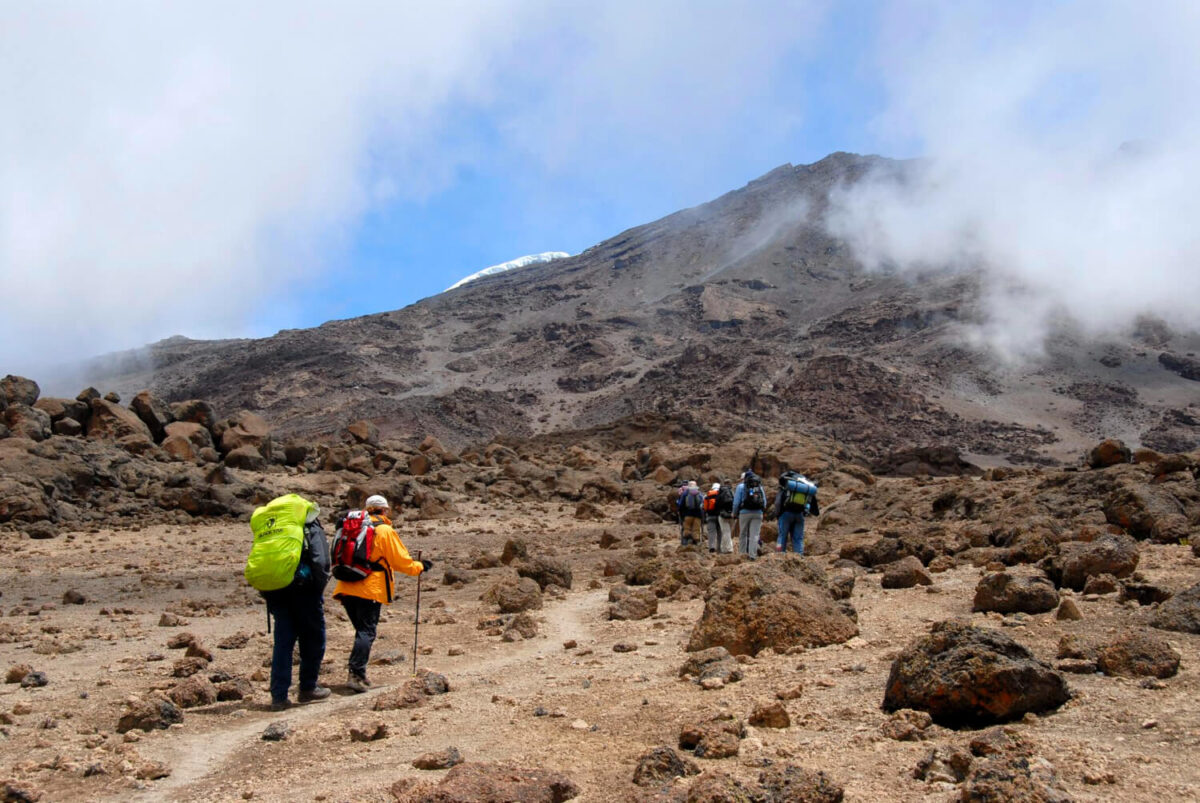
Rising 5,895 meters above sea level, Mount Kilimanjaro is Africa’s tallest mountain and the world’s highest free-standing peak. Located in northern Tanzania, near the border with Kenya, this legendary mountain is a symbol of adventure, resilience, and natural wonder.

Known as the “Roof of Africa,” Kilimanjaro attracts thousands of climbers each year, from experienced trekkers to first-time adventurers, all eager to stand atop Uhuru Peak and witness the breathtaking views above the clouds.


Why Visit Mount Kilimanjaro?

Unlike many of the world’s tallest mountains, Kilimanjaro can be summited without technical climbing skills. Its accessibility, combined with its striking beauty, makes it one of the most popular trekking destinations in the world.

Key Highlights

  • The tallest mountain in Africa and a UNESCO World Heritage Site.
  • Seven established climbing routes, each with unique scenery.
  • Ecological diversity ranging from rainforest to alpine desert to arctic summit.
  • Stunning sunrise views from Uhuru Peak.

The Geography and Climate of Mount Kilimanjaro

Kilimanjaro is a stratovolcano made up of three cones: Kibo, Mawenzi, and Shira. Kibo is the highest and home to Uhuru Peak, while Mawenzi and Shira are extinct.

The mountain features five distinct climate zones:

  1. Bushland (800–1,800m): Cultivated farmlands and villages.
  2. Rainforest (1,800–2,800m): Lush, tropical vegetation with monkeys and exotic birds.
  3. Heath & Moorland (2,800–4,000m): Grassy slopes and giant lobelias.
  4. Alpine Desert (4,000–5,000m): Rocky terrain with sparse vegetation.
  5. Arctic Summit (5,000–5,895m): Snow, glaciers, and breathtaking views.

Popular Routes to the Summit

1. Marangu Route (Coca-Cola Route)

  • The only route with hut accommodation.
  • Considered one of the easier paths but with lower success rates due to quick ascent.

2. Machame Route (Whiskey Route)

  • Popular for its scenic variety.
  • Higher success rates thanks to better acclimatization.

3. Lemosho Route

  • A longer, less crowded option.
  • Excellent acclimatization and panoramic views.

4. Rongai Route

  • Approaches from the north, near Kenya.
  • Drier and less busy than other routes.

5. Umbwe Route

  • Short and steep, recommended only for experienced climbers.

Wildlife on Mount Kilimanjaro

While Kilimanjaro is more famous for its trekking than wildlife, the lower slopes are home to unique species:

  • Monkeys: Colobus monkeys and blue monkeys in the rainforest.
  • Birdlife: Hornbills, sunbirds, and turacos.
  • Other Species: Bushbucks, duikers, and even occasional elephants.

Activities Beyond Trekking

  • Day Hikes: For those not attempting the summit, short treks explore rainforest trails and waterfalls.
  • Cultural Tours: Visit Chagga villages around Moshi for insights into local traditions.
  • Coffee Tours: Experience Tanzania’s rich coffee culture near Kilimanjaro’s base.
  • Scenic Flights: Aerial views reveal the mountain’s glaciers and craters.

Best Time to Climb Mount Kilimanjaro

The mountain can be climbed year-round, but weather conditions vary.

  • January–March: Warm and clear with fewer climbers.
  • June–October: The most popular season with stable, dry weather.
  • April–May & November: Rainy seasons with fewer climbers, but more challenging conditions.

How to Get to Mount Kilimajaro

  • By Air: The nearest airport is Kilimanjaro International Airport (JRO), located between Arusha and Moshi.
  • By Road: Easily accessible from Moshi, Arusha, and other northern safari destinations.

Accommodation Options

  • Before/After Trek: Hotels and lodges in Moshi and Arusha range from budget guesthouses to luxury resorts.
  • On the Mountain: Campsites along most routes, except Marangu, which offers huts.

Travel Tips

  • Train and prepare physically before your climb.
  • Follow the “pole pole” (slowly, slowly) approach to acclimatize.
  • Bring proper gear for cold, rain, and high altitudes.
  • Book with licensed operators for safety and success.
  • Consider combining Kilimanjaro with a safari in Serengeti or Ngorongoro for a complete Tanzanian adventure.

FAQs About Mount Kilimanjaro

1. How long does it take to climb Kilimanjaro?
Most treks take between 6–9 days, depending on the route and acclimatization.

2. Do you need technical climbing skills?
No. Kilimanjaro is a trekking peak, but physical fitness and stamina are essential.

3. What is the success rate for reaching the summit?
Success rates vary from 50–90%, depending on the route and trek length. Longer routes allow better acclimatization.

4. How much does it cost to climb Kilimanjaro?
Climbing costs typically range from $1,500–$4,000 depending on route, operator, and accommodations.

5. Is altitude sickness a risk?
Yes. It’s the biggest challenge on Kilimanjaro. Slow ascent and proper acclimatization are crucial.


Mount Kilimanjaro is more than just Africa’s tallest mountain—it’s a symbol of exploration, endurance, and natural beauty. From its rainforest base to its snow-capped summit, the mountain offers a journey through multiple ecosystems and cultures.

Whether you dream of standing on Uhuru Peak, trekking through lush forests, or exploring the Chagga culture at its base, Kilimanjaro promises an adventure of a lifetime. For those who dare to take on the challenge, the reward is standing on the Roof of Africa with the world beneath your feet.

Selous Game Reserve

Stretching across southern Tanzania, Selous Game Reserve is one of Africa’s largest and most iconic protected areas. Covering over 50,000 square kilometers, it is nearly four times the size of Serengeti and offers an unmatched wilderness experience. Recognized as a UNESCO World Heritage Site, Selous is famed for its diverse ecosystems, thriving wildlife, and boat safaris along the mighty Rufiji River.

For travelers seeking adventure beyond the well-trodden safari circuits, Selous delivers raw beauty, solitude, and unforgettable encounters.


Why Visit Selous Game Reserve?

Selous stands apart because it combines classic safari experiences with unique water-based activities. Its vastness ensures that even during peak seasons, visitors rarely encounter large tourist crowds, creating an authentic safari atmosphere.

Key Highlights

  • One of the world’s largest populations of elephants and wild dogs.
  • Rufiji River boat safaris with hippos, crocodiles, and birdlife.
  • Exclusive game drives with few vehicles in sight.
  • UNESCO World Heritage status for its unspoiled wilderness.

Wildlife in Selous Game Reserve

Selous is home to one of Africa’s richest wildlife concentrations.

  • Elephants & Buffalos: Herds numbering in the thousands roam freely.
  • Predators: Lions, leopards, wild dogs, and hyenas thrive in the reserve.
  • Hippos & Crocodiles: Particularly abundant along the Rufiji River and its lakes.
  • Birdlife: Over 440 species including kingfishers, herons, and African fish eagles.
  • Other Species: Giraffes, zebras, wildebeests, hartebeests, and kudu.

Top Attractions in Selous Game Reserve

1. Rufiji River

The lifeblood of Selous, the Rufiji is lined with palm trees, swamps, and oxbow lakes. Boat safaris here reveal hippos, crocodiles, and flocks of waterbirds.

2. Stiegler’s Gorge

A dramatic canyon carved by the Rufiji River, offering breathtaking views and excellent photographic opportunities.

3. Hot Springs (Maji Moto)

Natural hot water springs where visitors can relax and enjoy the park’s tranquility.

4. Lakes Tagalala and Manze

Seasonal lakes attracting hippos, crocodiles, and elephants during the dry months.


Activities for Visitors

  • Game Drives: Explore open savannahs, miombo woodlands, and riverbanks.
  • Boat Safaris: Unique to Selous, providing close encounters with aquatic wildlife.
  • Walking Safaris: Guided by armed rangers, offering an immersive bush experience.
  • Fly Camping: Overnight stays in remote areas for adventurous travelers.
  • Birdwatching: Especially rewarding around riverbanks and lakes.

Best Time to Visit the Reserve

Selous is accessible year-round, but the experience differs with the seasons:

  • Dry Season (June–October): Best for wildlife viewing as animals gather near rivers and lakes.
  • Wet Season (November–May): Lush landscapes and excellent birdwatching, though some areas may be inaccessible.

How To Get To Selous Game Reserve

Despite its remote feel, Selous is relatively accessible compared to Katavi or Mahale.

  • By Air: Daily flights from Dar es Salaam, Zanzibar, and Arusha to Selous airstrips.
  • By Road: A 4–6 hour drive from Dar es Salaam, suitable for adventurous overlanders.
  • By Train: The TAZARA railway passes near the reserve, offering a scenic journey.

Accommodation Options

Selous offers a wide range of accommodation catering to different preferences:

  • Luxury Lodges: Riverside retreats with private decks and swimming pools.
  • Tented Camps: Mid-range options combining comfort with authenticity.
  • Budget Campsites: Affordable stays for backpackers and adventure travelers.
  • Fly Camps: Temporary wilderness setups for a true bush experience.

Travel Tips

  • Bring lightweight, breathable clothing for hot days.
  • Don’t forget binoculars for birdwatching and predator spotting.
  • Book accommodations early, especially during peak dry-season months.
  • Combine Selous with Ruaha National Park for an epic southern Tanzania safari circuit.

FAQs About Selous

1. How much is the park entry fee?
Entry fees are around $50–70 for non-resident adults, with discounted rates for residents and East African citizens.

2. Can you see the Big Five in Selous?
Yes—elephants, lions, leopards, and buffalo are present, but rhinos are rarely seen due to poaching in past decades.

3. How many days are ideal for visiting?
A minimum of 3–4 days is recommended to enjoy boat safaris, walking safaris, and game drives.

4. Is Selous suitable for families?
Yes. Families can enjoy boat rides, walking tours (age restrictions may apply), and cultural visits.

5. What makes Selous different from Serengeti?
While Serengeti is famous for the wildebeest migration, Selous offers a quieter, more exclusive safari with unique activities like boat safaris.


Selous Game Reserve is a vast and untamed wilderness where rivers, plains, and forests converge to create one of Africa’s most extraordinary safari destinations. With its thriving wildlife, breathtaking landscapes, and unique safari activities, Selous provides an unmatched sense of adventure.

For travelers looking to escape crowded parks and immerse themselves in raw African beauty, Selous stands out as a destination that truly captures the spirit of the wild.

Mahale Mountain National Park

On the eastern shores of Lake Tanganyika, surrounded by lush forests and towering peaks, lies Mahale Mountains National Park—a hidden wilderness where the forest meets one of the world’s deepest lakes. Covering about 1,600 square kilometers, the park is world-famous for its wild chimpanzee populations, pristine beaches, and breathtaking mountain scenery.

Remote and untouched, Mahale offers an authentic blend of wildlife, culture, and adventure that few other safari destinations can match.


Why Visit Mahale Mountains?

Mahale is unique because it combines forest trekking, primate encounters, and lakeside relaxation in one extraordinary setting. Its remoteness ensures a sense of exclusivity, making it ideal for travelers seeking a different kind of safari.

Key Highlights

  • Home to around 800 wild chimpanzees, including the well-studied Mimikire group.
  • Stunning backdrop of the Mahale mountain range.
  • Pristine white-sand beaches along Lake Tanganyika.
  • Opportunities for hiking, snorkeling, and cultural exploration.

Wildlife in Mahale Mountains National Park

The park is best known for chimpanzees, but its biodiversity extends far beyond primates.

  • Chimpanzees: The main attraction, with guided treks allowing intimate encounters.
  • Other Primates: Red colobus monkeys, vervets, and yellow baboons.
  • Birds: Over 350 species, including kingfishers, hornbills, and fish eagles.
  • Other Wildlife: Bush pigs, bushbucks, and even leopards inhabit the forests.

Aquatic life also flourishes in Lake Tanganyika, with hundreds of colorful fish species.


Top Attractions in Mahale Mountains National Park

1. Chimpanzee Trekking

The highlight of any visit. Guided treks through montane forests provide opportunities to watch chimpanzees feed, groom, and interact in the wild.

2. Lake Tanganyika

The world’s second-deepest freshwater lake, perfect for swimming, kayaking, and snorkeling. Its clear waters and cichlid fish make it a natural wonder.

3. The Mahale Mountains

The rugged peaks offer excellent hiking opportunities and panoramic views over the forest and lake.

4. Sandy Beaches

Relax on pristine white-sand beaches after a trek, a unique experience for a safari destination.


Activities for Visitors at Mahale Mountains National Park

  • Chimpanzee Tracking: Daily guided treks in search of habituated chimpanzee groups.
  • Hiking: Trails range from easy walks to challenging climbs up the Mahale peaks.
  • Snorkeling & Swimming: Explore the underwater world of Lake Tanganyika.
  • Fishing & Kayaking: Popular activities on the lake’s crystal-clear waters.
  • Cultural Encounters: Meet the local Tongwe people, who have lived in harmony with the forest for centuries.

Best Time to Visit the Park

Mahale can be visited year-round, but the experience changes with the seasons.

  • Dry Season (June–October): The best time for chimpanzee trekking as they stay closer to the shore. Hiking trails are also more accessible.
  • Wet Season (November–May): Lush green forests and excellent birdwatching, though chimpanzees can be harder to track.

How To Get To The Park

Reaching Mahale is an adventure in itself, adding to its appeal.

  • By Air: The easiest option is charter flights from Arusha or Dar es Salaam to Mahale airstrip.
  • By Boat: From Kigoma, boats on Lake Tanganyika connect visitors to park lodges and camps.
  • By Road: Long and challenging, but possible for overland adventurers.

Accommodation Options

Mahale offers a mix of eco-luxury lodges and more rustic options.

  • Luxury Lodges: Lakeside retreats offering stylish bandas and private beaches.
  • Tented Camps: Comfortable safari-style camps with guided activities.
  • Public Campsites: Budget-friendly options for backpackers and adventurers.

Travel Tips

  • Bring sturdy walking shoes for forest treks.
  • Carry insect repellent, sunscreen, and lightweight clothing.
  • Binoculars are essential for birdwatching.
  • A minimum stay of 3 nights is recommended to maximize your chance of seeing chimpanzees.
  • Combine Mahale with Katavi for a truly wild western Tanzania safari circuit.

FAQs About Mahale Mountains

1. How much is the park entry fee?
Entrance fees for foreign adults are around $80, with discounted rates for residents and East African citizens.

2. Is chimpanzee trekking guaranteed?
While sightings are common, they are not guaranteed since chimpanzees are wild and roam freely. Staying longer increases your chances.

3. How many days should I spend in Mahale?
At least 3–4 days are ideal, giving enough time for trekking, lake activities, and relaxation.

4. Is Mahale suitable for families?
Yes, but chimpanzee trekking is usually restricted to visitors over 15 years old. Families can enjoy hiking, swimming, and cultural experiences.

5. What makes Mahale different from Gombe Stream?
Both parks are famous for chimpanzees, but Mahale is larger, more remote, and offers additional activities like hiking and lake adventures.


Mahale Mountains National Park is one of Tanzania’s most captivating wilderness areas. With its thriving chimpanzee population, stunning mountain scenery, and tranquil lakeside setting, it offers a safari experience unlike any other.

Far from the crowds of Serengeti or Ngorongoro, Mahale combines adventure, relaxation, and rare wildlife encounters in one unforgettable journey. For travelers seeking something beyond the ordinary, this hidden jewel on Lake Tanganyika is a destination that truly inspires.

Katavi National Park

Deep in the western corner of Tanzania lies a hidden gem rarely visited by tourists but cherished by wildlife enthusiasts—Katavi National Park. Covering more than 4,400 square kilometers, it is Tanzania’s third-largest national park and one of the least explored safari destinations. With vast floodplains, remote woodlands, and an abundance of wildlife, Katavi offers a raw and authentic African safari experience.


Why Visit Katavi National Park?

Unlike the Serengeti or Ngorongoro Crater, Katavi is not overrun with safari vehicles. Its remote location means fewer visitors, giving travelers a sense of exclusivity and wilderness. It’s a destination for those who want to escape the crowds and experience Africa in its purest form.

Key Highlights

  • Home to one of the largest hippo and crocodile gatherings in Africa.
  • Spectacular dry-season game viewing on Katuma River floodplains.
  • Remote and untouched wilderness, ideal for seasoned safari-goers.
  • Birdwatching with over 400 species recorded.

Wildlife in Katavi National Park

The park boasts some of Tanzania’s highest concentrations of wildlife, particularly during the dry season.

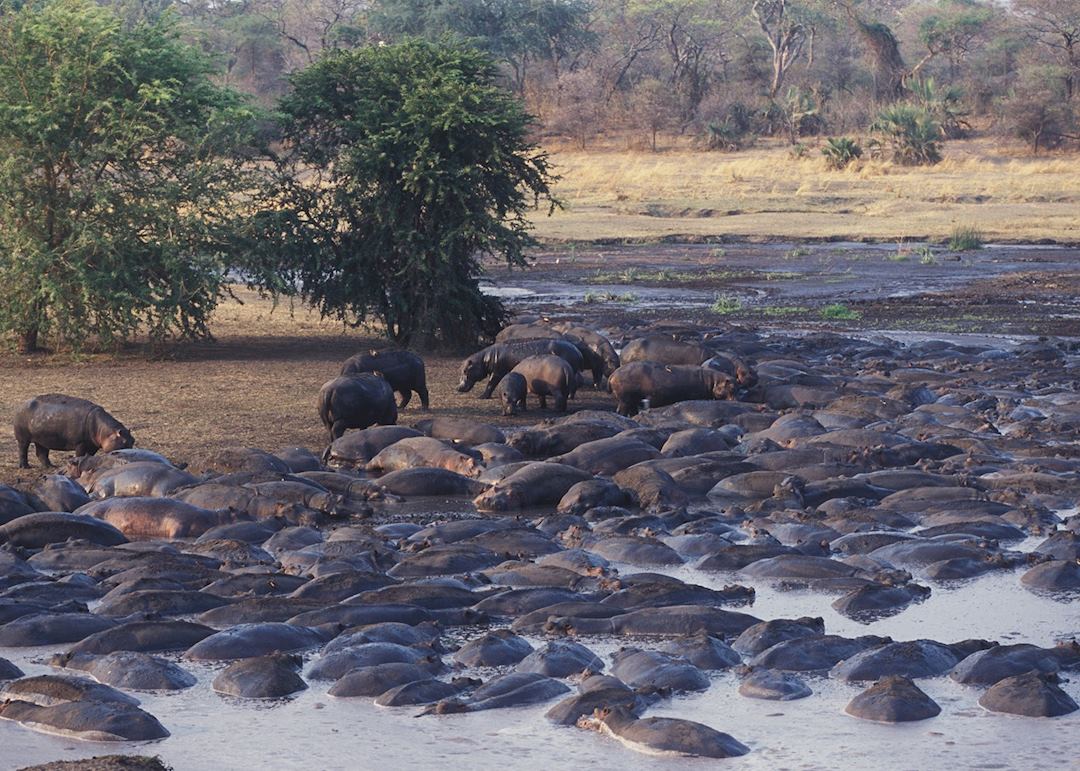
  • Hippos & Crocodiles: Thousands of hippos cram into shrinking pools, while massive crocodiles bask on riverbanks.
  • Elephants & Buffalos: Large herds dominate the floodplains, attracting predators.
  • Predators: Lions, leopards, and spotted hyenas thrive here due to the abundant prey.
  • Other Species: Giraffes, zebras, hartebeests, and topis roam the open grasslands.

For bird enthusiasts, the park is alive with raptors, storks, pelicans, and migratory species.


Top Attractions in Katavi

1. Katuma River Floodplains

The lifeline of the park, these floodplains are teeming with wildlife during the dry season. Huge herds gather here, offering dramatic predator-prey encounters.

2. Lake Katavi

A seasonal lake that fills during the rains, attracting flamingos, waterbirds, and grazing herbivores.

3. Chada Plain

Known for its vast open landscapes and large herds of elephants and buffalos.

4. Hippo Pools

Famous for dramatic hippo battles as males compete for territory when water sources shrink.


Activities for Visitors at Katavi National Park

  • Game Drives: Morning and evening drives reveal the park’s incredible diversity.
  • Walking Safaris: Explore the bush on foot with armed guides, offering a closer connection to nature.
  • Birdwatching: Best during the wet season when migratory species arrive.
  • Camping Safaris: Overnight stays in the wilderness create a true off-grid adventure.

Best Time to Visit the Park

Katavi offers different experiences depending on the season:

  • Dry Season (June–October): Best for wildlife viewing as animals congregate around limited water sources.
  • Wet Season (November–May): Lush landscapes, fewer tourists, and excellent birdwatching, though some areas become inaccessible.

How To Get To The Park

Katavi is remote, and reaching it requires careful planning:

  • By Air: The most convenient way is via charter flights from Arusha or Dar es Salaam.
  • By Road: A multi-day journey by 4×4 vehicle from Mbeya or Kigoma is possible but challenging.

The remoteness is part of the park’s charm, keeping it pristine and exclusive.


Accommodation Options

Despite its wilderness, Katavi offers both comfort and adventure:

  • Luxury Tented Camps: Exclusive safari lodges with full amenities.
  • Public Campsites: For adventurous travelers seeking an authentic bush experience.
  • Mobile Camps: Seasonal setups offering immersive wilderness stays.

Travel Tips

  • Pack light but bring essentials such as binoculars, sunscreen, and insect repellent.
  • Plan at least 3–4 days to fully experience the park.
  • Book flights and lodges in advance due to limited availability.
  • Combine Katavi with nearby Mahale Mountains National Park for a unique “chimpanzee and big game” safari.

FAQs About Katavi

1. How much is the park entry fee?
Non-resident adults typically pay around $30–40, while residents and East Africans enjoy lower rates.

2. Is Katavi suitable for first-time safari travelers?
It’s better suited to experienced travelers who prefer remote and less crowded destinations.

3. How many days are ideal for visiting?
At least 3–4 days are recommended to enjoy game drives, walking safaris, and relaxation.

4. Can you see the Big Five here?
Yes, with chances of seeing elephants, buffalo, and lions. Leopards and hippos are common, though rhinos are absent.

5. What makes Katavi different from Serengeti or Ngorongoro?
Its remoteness, low visitor numbers, and raw wilderness make it feel untouched compared to busier parks.


Katavi remains one of Tanzania’s most remote and rewarding safari destinations. With its vast floodplains, dramatic hippo pools, and predator action, it offers a wildlife spectacle like no other. Far from the crowds, visitors experience Africa in its wildest form, where every game drive feels like an exclusive adventure.

For travelers seeking solitude, breathtaking landscapes, and unmatched wildlife encounters, Katavi is a safari destination that truly stands apart.