Gombe Stream National Park

Nestled on the shores of Lake Tanganyika in western Tanzania, Gombe Stream National Park is one of Africa’s smallest yet most fascinating wildlife destinations. Covering just 52 square kilometers, this park is world-renowned for its population of wild chimpanzees, made famous by the pioneering research of Jane Goodall in the 1960s.

Despite its size, Gombe offers an unforgettable blend of wildlife encounters, pristine landscapes, and cultural heritage. From trekking through lush forests to watching chimps swing through the treetops, Gombe Stream National Park is a paradise for nature enthusiasts, researchers, and adventure seekers alike.


Why Visit Gombe Stream National Park?

Unlike Tanzania’s larger parks such as Serengeti or Ngorongoro, Gombe provides a more intimate and specialized safari experience. Its primary draw is the opportunity to observe chimpanzees in their natural habitat—a rare privilege that has made it a global attraction.

Highlights of Gombe Stream National Park

  • World-famous for chimpanzee trekking.
  • Scenic location along the crystal-clear waters of Lake Tanganyika.
  • Birdwatching with over 200 bird species recorded.
  • Beautiful hiking trails leading to waterfalls and ridges.

The History of Gombe Stream National Park

Gombe rose to international fame when Dr. Jane Goodall began her groundbreaking research on chimpanzee behavior in 1960. Her studies revealed that chimpanzees use tools, have complex social structures, and display human-like emotions. Today, Gombe remains a hub for primate research, while also being a protected ecotourism destination.


Wildlife in Gombe Stream National Park

Chimpanzees

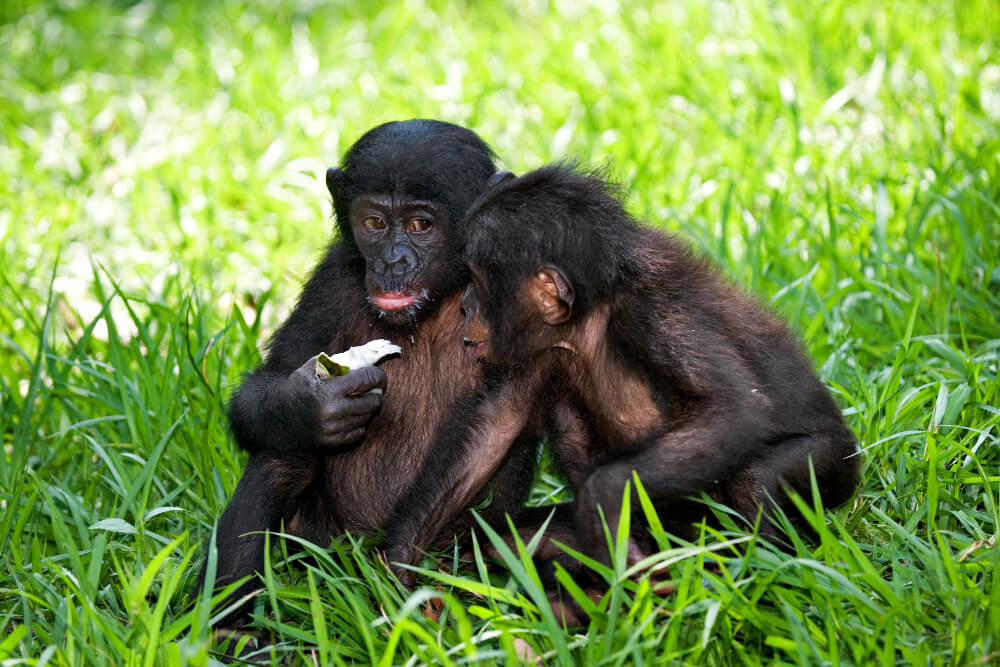
The park is home to around 100 wild chimpanzees, living in free-ranging communities. Trekking to see them is the main attraction, and encounters often allow visitors to observe them grooming, foraging, or playing.

Other Primates

Besides chimps, the park is also rich in other primate species such as:

  • Olive baboons
  • Red-tailed monkeys
  • Blue monkeys
  • Vervet monkeys

Other Wildlife

While primates dominate, Gombe also shelters bush pigs, small antelopes, and a wide variety of reptiles.

Birdlife

With over 200 recorded species, Gombe is a birdwatcher’s paradise. Common sightings include fish eagles, kingfishers, and tropical forest species.


Top Attractions in this National Park

1. Chimpanzee Trekking

The park’s main activity, chimpanzee trekking, allows visitors to follow experienced guides into the forest to locate and observe chimpanzee groups.

2. Lake Tanganyika

The world’s longest freshwater lake provides opportunities for swimming, snorkeling, and boat rides. Its crystal-clear waters are home to over 350 species of colorful cichlid fish.

3. Kakombe Waterfall

A scenic waterfall located within the park, perfect for hiking and photography.

4. Jane’s Peak

A hilltop viewpoint named after Jane Goodall, offering sweeping views of Lake Tanganyika and the forest canopy.


Activities in Gombe Stream National Park

  • Chimpanzee Tracking: The highlight of any visit. Best done in the mornings.
  • Hiking & Walking Safaris: Trek through forest trails leading to waterfalls and viewpoints.
  • Birdwatching: Spot kingfishers, fish eagles, and forest-dwelling species.
  • Snorkeling & Swimming: Enjoy the clear waters of Lake Tanganyika.
  • Cultural Visits: Meet the local communities living near the park.

Best Time to Visit the National Park

The park is open year-round, but the dry season from June to October is the best time for chimpanzee trekking. During this period, chimps tend to stay closer to the trails, making them easier to track.

  • Dry Season (June–October): Best for wildlife trekking and hiking.
  • Wet Season (November–May): Lush green landscapes, fewer tourists, excellent birdwatching.

How to Get to Gombe Stream National Park

Gombe is remote, and reaching it adds to the adventure.

  1. By Air: Fly from Dar es Salaam, Arusha, or Zanzibar to Kigoma Airport.
  2. By Boat: From Kigoma, take a 1–2 hour motorboat ride along Lake Tanganyika to reach the park.
  3. By Road (optional): Kigoma is also connected by road and rail, but these options are slower.

Accommodation Options at the Park

Despite its remoteness, Gombe offers several options for travelers:

  • Gombe Forest Lodge: Luxury eco-lodge with stunning views of Lake Tanganyika.
  • Rest Houses & Bandas: Budget-friendly options inside the park.
  • Camping: Designated campsites for adventurous travelers.
  • Kigoma Town: Hotels and guesthouses for those staying outside the park.

Travel Tips for Visiting the National Park

  • Wear comfortable hiking shoes for trekking.
  • Bring binoculars for birdwatching.
  • Carry insect repellent, sunscreen, and plenty of water.
  • Chimpanzee trekking requires moderate fitness, so be prepared for uphill hikes.
  • Respect the park rules to protect wildlife and the environment.

FAQs About Gombe Stream National Park

1. Is Gombe Stream National Park worth visiting?
Absolutely! It’s one of the few places in the world where you can trek wild chimpanzees while enjoying stunning natural beauty.

2. How many days do you need in Gombe Stream National Park?
Two to three days are ideal—one day for chimp trekking, another for hiking waterfalls, and extra time for Lake Tanganyika activities.

3. Can children join chimpanzee trekking?
Children under 15 are usually not allowed to participate in chimp trekking for safety reasons.

4. Is Gombe Stream National Park safe for tourists?
Yes. Guided treks ensure visitor safety, and the park has strict conservation measures in place.


Gombe may be small in size, but it holds a legendary place in the history of wildlife conservation. From the groundbreaking research of Jane Goodall to today’s unforgettable chimpanzee trekking experiences, Gombe offers a safari unlike any other in Tanzania. Its lush forests, pristine waters, and intimate wildlife encounters make it a bucket-list destination for anyone seeking a unique African adventure.

Whether you are a researcher, a wildlife lover, or simply an adventurer, Gombe Stream National Park promises memories that last a lifetime.
Arusha National Park

Arusha National Park is one of Tanzania’s hidden gems, located just a short drive from the bustling safari hub of Arusha town. While smaller compared to Serengeti or Ngorongoro, this park offers an unmatched mix of landscapes, wildlife, and adventure activities. From the lush forests of Mount Meru to the flamingo-filled Momella Lakes, Arusha National Park is the perfect starting point for any Tanzania safari.


Why Visit Arusha National Park?

The National Park is unique because it combines diverse ecosystems within a compact area of 552 km². Travelers can explore montane forests, savannahs, volcanic craters, and highland swamps in just a single visit. Unlike other parks, it’s less crowded, making it a peaceful safari destination.

Key Highlights

  • Home to Mount Meru, Africa’s second-highest volcano.
  • Famous for walking safaris with armed rangers.
  • Large populations of giraffes, buffalos, zebras, and primates.
  • Birdwatcher’s paradise with over 400 bird species.

Wildlife in Arusha National Park

Although it doesn’t have large predators like lions, Arusha National Park is rich in herbivores and primates. Visitors can spot:

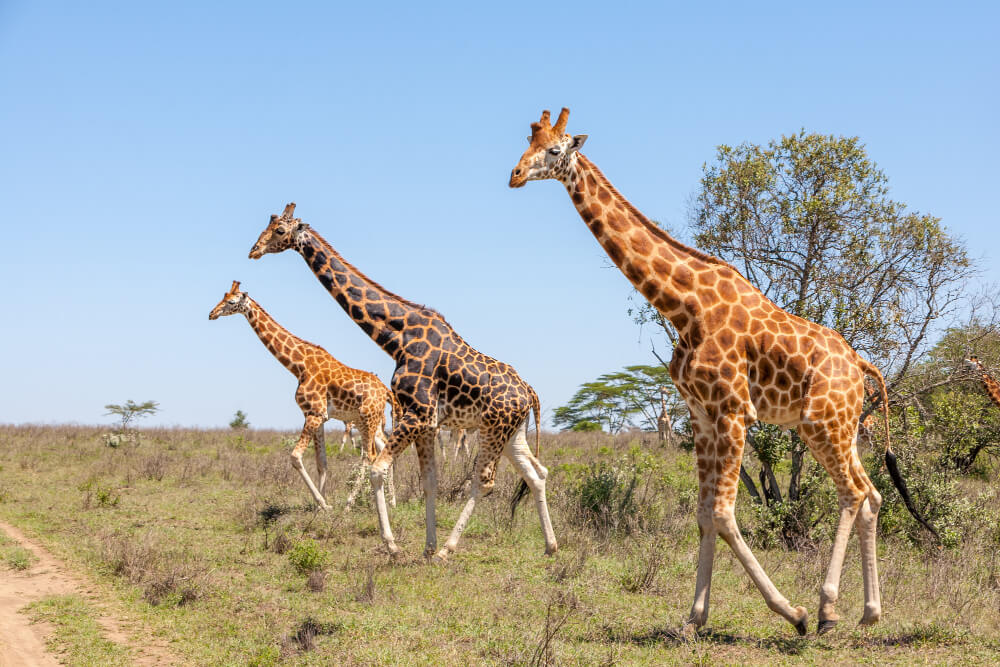
  • Giraffes: The park is nicknamed the “home of giraffes.”
  • Buffalos & Zebras: Common sightings across the grasslands.
  • Black-and-White Colobus Monkeys: Found in the forest canopy.
  • Flamingos: Thousands of pink flamingos cover the Momella Lakes.

This makes the park perfect for nature lovers who prefer a relaxed, non-predator safari.


Top Attractions in Arusha National Park

1. Mount Meru

At 4,566 meters, Mount Meru is Tanzania’s second-highest peak. Climbing it is a great alternative to Mount Kilimanjaro, offering fewer crowds and breathtaking views of both Kilimanjaro and the park below.

2. Momella Lakes

These alkaline lakes attract flamingos, hippos, and water birds. Each lake has a unique color due to mineral content.

3. Ngurdoto Crater

Nicknamed the “Little Ngorongoro,” this 3 km-wide crater is filled with swamps, wildlife, and lush vegetation.

4. Tululusia Hill

A popular spot for walking safaris, offering panoramic views of the park and beyond.


Safari Activities in Arusha National Park

Walking Safaris

Unlike most Tanzanian parks, Arusha allows guided walking safaris. Rangers escort visitors through forests and open plains, creating a thrilling experience.

Canoeing on Momella Lakes

A unique activity where travelers paddle quietly among hippos and water birds.

Game Drives

Morning and evening game drives provide the best opportunities to see giraffes, zebras, and buffalos.

Mount Meru Trekking

Climbers can embark on a 3–4 day trek to the summit, enjoying diverse ecosystems along the way.


Best Time to Visit Arusha National Park

The park is open year-round, but the best time to visit is during the dry season from June to October. Wildlife is easier to spot as animals gather near water sources.

  • Dry Season (June–October): Best for safaris, hiking, and canoeing.
  • Wet Season (November–May): Ideal for birdwatching and lush green landscapes.

How to Get to the National Park

The park is only 45 minutes from Arusha city and 1 hour from Kilimanjaro International Airport (JRO). It’s often included in itineraries before heading to Serengeti or Ngorongoro.


Accommodation Options

  • Inside the Park: Public campsites and luxury lodges.
  • Near Arusha Town: Hotels, guesthouses, and safari lodges.
  • Mount Meru Climbers: Mountain huts for trekkers.

Travel Tips for Arusha National Park

  • Bring binoculars for birdwatching.
  • Wear comfortable hiking shoes for walking safaris.
  • Carry insect repellent and sunscreen.
  • Hire a local guide to enhance your experience.

FAQs About Arusha National Park

1. How much is the entrance fee for the National Park?
Entrance fees vary: about $50 for adult foreign visitors, while East African residents enjoy lower rates.

2. Is Arusha National Park worth visiting?
Yes! It’s perfect for travelers who want diverse landscapes, wildlife, and unique activities like walking safaris and canoeing.

3. Can you see the Big Five in the National Park?
No, the park doesn’t have lions or rhinos, but it’s home to giraffes, elephants, buffalos, zebras, and a wide variety of primates.

4. How many days do you need in Arusha National Park?
One to two days is enough to explore the main attractions, but adding a Mount Meru trek requires 3–4 extra days.

5. Is Arusha National Park safe for tourists?
Yes, it’s one of the safest parks in Tanzania, especially for walking safaris with armed rangers.


The National Park may not be as famous as Serengeti or Ngorongoro, but its charm lies in its diversity and tranquility. From the towering Mount Meru to the pink hues of Momella Lakes, this park offers an unforgettable safari experience. Whether you’re a first-time visitor or a seasoned traveler, The National Park is a must-see destination in Tanzania.

Tarangire National Park

Tarangire National Park is one of Tanzania’s hidden gems, offering a spectacular blend of wildlife and serene landscapes. While it may not be as famous as the Serengeti or Ngorongoro Crater, this park provides an authentic and less crowded safari experience. With its iconic baobab trees, large elephant herds, and seasonal migrations, Tarangire is a must-visit for anyone seeking to explore Tanzania’s wilderness.

Overview of Tarangire National Park

Nestled in the northern region of Tanzania, Tarangire National Park covers an impressive 2,850 square kilometers. The park is defined by the Tarangire River, which serves as a vital water source for wildlife, especially during the dry season. The park’s diverse ecosystems include rivers, wetlands, woodlands, and grasslands, all of which contribute to its rich biodiversity.

Where is Tarangire National Park Located?

Located just 120 kilometers southwest of Arusha, Tarangire National Park is part of Tanzania’s northern safari circuit. Its convenient location makes it a perfect stopover for travelers heading to other famous parks like the Serengeti or Ngorongoro. Despite its accessibility, Tarangire tends to attract fewer visitors, offering a more tranquil and intimate safari experience.

Why Choose Tarangire National Park for Your Safari?

While Tarangire is not as well-known as other Tanzanian parks, it offers several compelling reasons to visit. Its landscapes, rich wildlife, and unique features make it an unforgettable safari destination.

Famous for Large Elephant Herds

Tarangire is renowned for its large elephant population, with some of the biggest herds in the country. During the dry season, elephant herds of up to 300 individuals gather near the Tarangire River. These magnificent creatures are a highlight for many visitors, providing exceptional viewing and photographic opportunities.

Iconic Baobab Trees

The park is also famous for its towering baobab trees, which stand like ancient sentinels across the landscape. These trees, some of which are over a thousand years old, are not only visually striking but also play a crucial role in the ecosystem. Baobabs store water in their trunks, making them vital for survival during the dry season.

Wildlife and Birdlife in Tarangire National Park

Tarangire is home to a vast array of wildlife species, making it a prime destination for nature enthusiasts and safari-goers alike.

Rich and Diverse Wildlife

In addition to its famed elephant herds, Tarangire boasts a variety of other large mammals. Lions, leopards, cheetahs, zebras, giraffes, and buffalos are frequently spotted in the park. Tarangire is also one of the few places where you can see the rare fringe-eared oryx and the gerenuk, an antelope species known for its ability to stand on its hind legs to reach higher branches for food.

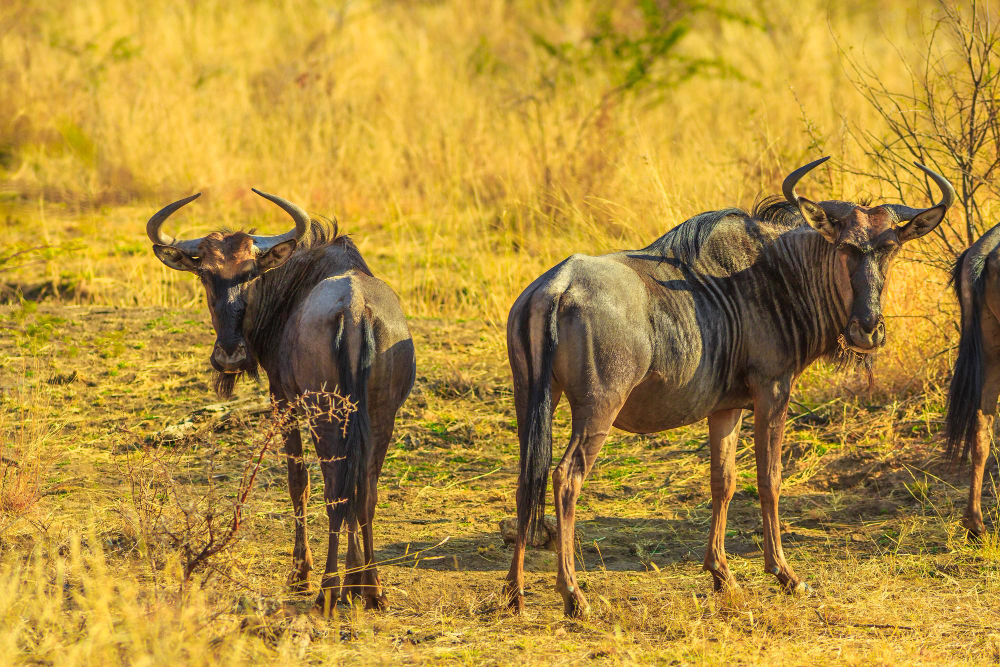
During the dry season, the park witnesses a significant migration of wildlife, as animals like wildebeest, zebras, and antelopes move into the park in search of water. This creates an awe-inspiring spectacle and makes for some of the best wildlife viewing in Tanzania.

A Birdwatcher’s Paradise

Tarangire National Park is a haven for birdwatchers, boasting over 550 species of birds. The park’s wetlands, particularly the Silale Swamp, attract numerous waterbirds such as herons, storks, and pelicans. Other species like the Kori bustard, ostrich, and the vibrant yellow-collared lovebird can be spotted throughout the park. For both seasoned birdwatchers and beginners, Tarangire offers endless opportunities for bird sightings.

Unique Ecosystems of Tarangire National Park

One of the features that sets Tarangire apart from other parks is its diverse range of ecosystems. From swamps to woodlands, the park’s habitats support a remarkable variety of wildlife.

The Tarangire River: Lifeblood of the Park

The Tarangire River is the heart of the park, serving as the main water source during the dry season. When other water sources dry up, the river attracts large numbers of animals, making it one of the best places in the park to observe wildlife. Elephants, zebras, wildebeests, and antelopes are commonly seen gathering around the river, especially during the drier months.

Wetlands and Swamps

The park’s wetlands, including the expansive Silale Swamp, are another key feature. These wetlands provide year-round water for wildlife and support a variety of species, including hippos and numerous waterbirds. The swamps also help regulate the park’s water levels, ensuring that the Tarangire River continues to flow even during the dry season.

Grasslands and Woodlands

Tarangire’s landscape is also characterized by its open grasslands and acacia woodlands. These areas serve as grazing grounds for herbivores like zebras, wildebeests, and impalas. The woodlands, particularly those with baobab and acacia trees, provide food and shelter for a wide range of animals, including elephants, giraffes, and leopards.

Top Safari Activities in Tarangire National Park

Tarangire National Park offers more than just traditional game drives. Visitors can engage in a variety of activities to explore the park’s wildlife and landscapes from different perspectives.

Game Drives: A Classic Safari Experience

Game drives are the most popular way to explore Tarangire, and the park’s well-maintained network of roads makes it easy to access its diverse habitats. Early morning and late afternoon game drives offer the best chances of spotting wildlife, as animals are more active during cooler hours. Be on the lookout for elephants, lions, and cheetahs, as well as the park’s famous baobab trees.

Walking Safaris for an Intimate Experience

For a more personal and immersive experience, walking safaris are highly recommended. Guided by a knowledgeable ranger, a walking safari allows visitors to explore the park on foot, offering a closer look at the smaller creatures, plants, and ecosystems that are often overlooked during game drives. Walking safaris also provide a sense of adventure and bring you closer to nature.

Night Game Drives: Witness Nocturnal Wildlife

Night game drives are a thrilling way to experience Tarangire after dark. Using spotlights, guides help visitors see nocturnal animals like leopards, bush babies, and porcupines as they become active after sunset. This activity offers a unique perspective on the park’s wildlife and allows you to witness the nocturnal side of the African bush.

Best Time to Visit Tarangire National Park

The best time to visit Tarangire National Park is during the dry season, which runs from June to October. During this time, animals congregate around the river and other water sources, making wildlife easier to spot. However, the wet season, from November to May, is also a great time for birdwatching and enjoying the park’s lush, green landscapes.

Conservation and Sustainability in Tarangire

Tarangire National Park is part of the larger Tarangire-Manyara ecosystem, which is crucial for the migration of wildlife between the two parks. Conservation efforts in Tarangire focus on protecting the park’s elephant population and maintaining wildlife corridors that allow animals to migrate freely. Sustainable tourism practices are also promoted to ensure the park’s natural resources are preserved for future generations.

Tarangire National Park offers a unique and authentic safari experience, with its iconic baobab trees, large elephant herds, and diverse ecosystems. Whether you’re on a game drive, walking safari, or enjoying a night game drive, Tarangire promises unforgettable moments for nature lovers and safari enthusiasts. Its serene landscapes and rich wildlife make it a must-visit destination in Tanzania’s northern safari circuit.

Serengeti National Park

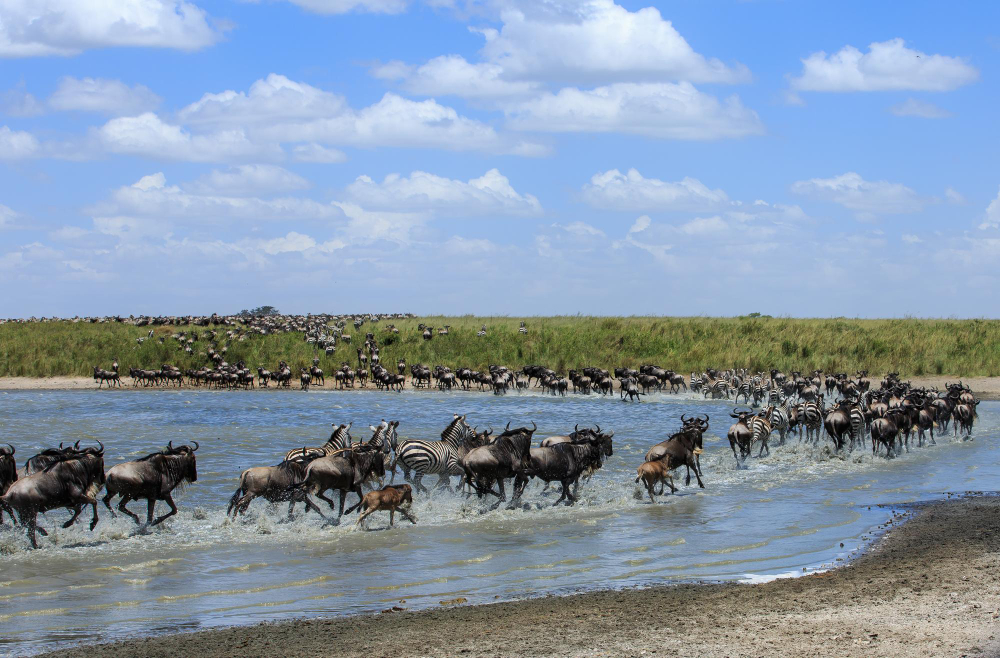
Experience the iconic Serengeti National Park with Allied Safaris. Stand in awe of the legendary Great Migration, where millions of wildebeest and zebra thunder across endless plains.

Witness spectacular predator action and breathtaking sunsets over acacia-dotted savannahs. This is the ultimate African safari adventure, offering unparalleled wildlife encounters. Let us craft your unforgettable journey into this world-renowned wilderness.

Your extraordinary Serengeti experience starts here.


Why Visit Serengeti National Park?

The Serengeti is more than a safari—it’s an immersive journey into the heart of Africa’s wilderness. Its scale, abundance, and variety of wildlife make it a must-see destination.

Key Highlights

  • The Great Wildebeest Migration—one of nature’s most spectacular events.
  • High predator density, including lions, cheetahs, and leopards.
  • Iconic landscapes of endless plains and kopjes (rocky outcrops).
  • Year-round wildlife viewing across multiple ecosystems.

Wildlife in Serengeti National Park

Few places on Earth rival the Serengeti for wildlife diversity.

  • The Big Five: Lions, leopards, elephants, buffalo, and rhinos.
  • Wildebeest & Zebras: Over 1.5 million wildebeest and hundreds of thousands of zebras form the Great Migration.
  • Predators: The Serengeti has Africa’s largest population of lions, alongside cheetahs, wild dogs, and hyenas.
  • Birdlife: More than 500 bird species, including ostriches, vultures, and colorful rollers.

The Great Migration

Often called the “World Cup of Wildlife”, the Great Migration is the Serengeti’s crown jewel.

  • December–March: Calving season in the southern Serengeti. Thousands of wildebeest calves are born daily, attracting predators.
  • April–June: Herds move north across the central Serengeti, creating dramatic river crossings.
  • July–September: The famous Grumeti and Mara River crossings, with crocodiles lying in wait.
  • October–November: Herds begin their journey back south.

Witnessing even a part of this cycle is an unforgettable experience.


Top Attractions in Serengeti

1. Seronera Valley

The heart of the Serengeti, rich in wildlife year-round and excellent for spotting big cats.

2. Western Corridor

Known for the Grumeti River, this area hosts dramatic river crossings during the migration.

3. Northern Serengeti

A quieter region offering the iconic Mara River crossings into Kenya’s Maasai Mara.

4. Southern Plains

Best visited during calving season, when predators are most active.

5. Kopjes

These granite rock outcrops are perfect vantage points for lions and leopards.


Activities for Visitors

  • Game Drives: Morning and evening safaris across diverse habitats.
  • Hot Air Balloon Safaris: A unique perspective of the plains at sunrise.
  • Walking Safaris: Explore on foot with expert guides in select areas.
  • Photography Safaris: Tailored trips for capturing migration scenes and predator action.
  • Cultural Tours: Visit nearby Maasai villages for cultural immersion.

Best Time to Visit the Serengeti

The Serengeti is a year-round destination, but the experience depends on the season:

  • Dry Season (June–October): Best for general game viewing, clear skies, and river crossings.
  • Wet Season (November–May): Lush landscapes, calving season, and fewer tourists.

How to Get To the Park

  • By Air: Daily flights connect the Serengeti with Arusha, Kilimanjaro, and Zanzibar. Multiple airstrips service different parts of the park.
  • By Road: About 6–7 hours from Arusha, often combined with a stop in Ngorongoro.

Accommodation Options

The Serengeti caters to every type of traveler:

  • Luxury Lodges & Camps: High-end safari experiences with private guides and gourmet dining.
  • Mid-Range Camps: Comfortable tented accommodations close to wildlife action.
  • Mobile Camps: Seasonal camps that move with the Great Migration.
  • Budget Campsites: Affordable stays for adventurous travelers.

Travel Tips

  • Plan your trip around migration timings to maximize your experience.
  • Book accommodations early, especially during peak migration months.
  • Bring binoculars, camera gear, and layers for both hot days and cool nights.
  • Combine Serengeti with Ngorongoro, Tarangire, or Lake Manyara for a complete safari circuit.

FAQs About Serengeti

1. Can I see the Big Five in Serengeti?
Yes. All Big Five are present, though rhino sightings are rare.

2. How many days should I spend in Serengeti?
At least 3–5 days to explore different regions and witness the migration.

3. Is Serengeti safe for tourists?
Yes. Guided safaris are safe, but always follow ranger instructions.

4. What makes Serengeti different from Kruger or Maasai Mara?
Its sheer size, predator density, and the scale of the Great Migration make Serengeti unique.


The Serengeti National Park is not just a safari destination—it’s a living, breathing masterpiece of nature. From the thundering herds of the Great Migration to the silent gaze of a lion on a kopje, every moment here feels timeless.

For travelers seeking an authentic African safari filled with drama, beauty, and wonder, Serengeti remains one of the greatest wildlife stages on Earth.